I meant to read for years and scrolled instead. I called it a willpower problem, but the book was in the bookcase and the phone was in my hand: the outcome was already decided. The reading started only after the spots got swapped.
A reading habit is a placement problem, not a willpower problem. Put the book where the phone lived, the nightstand, the sofa side, and send the phone to another room, and the hand goes to the book. Start with 10 minutes before bed. When failures drop under twice a week, add 10 more. Books don't work right after short-form, which is normal: change the order to book first. Paper is easiest at the start, and e-books only become habits on devices that aren't phones.
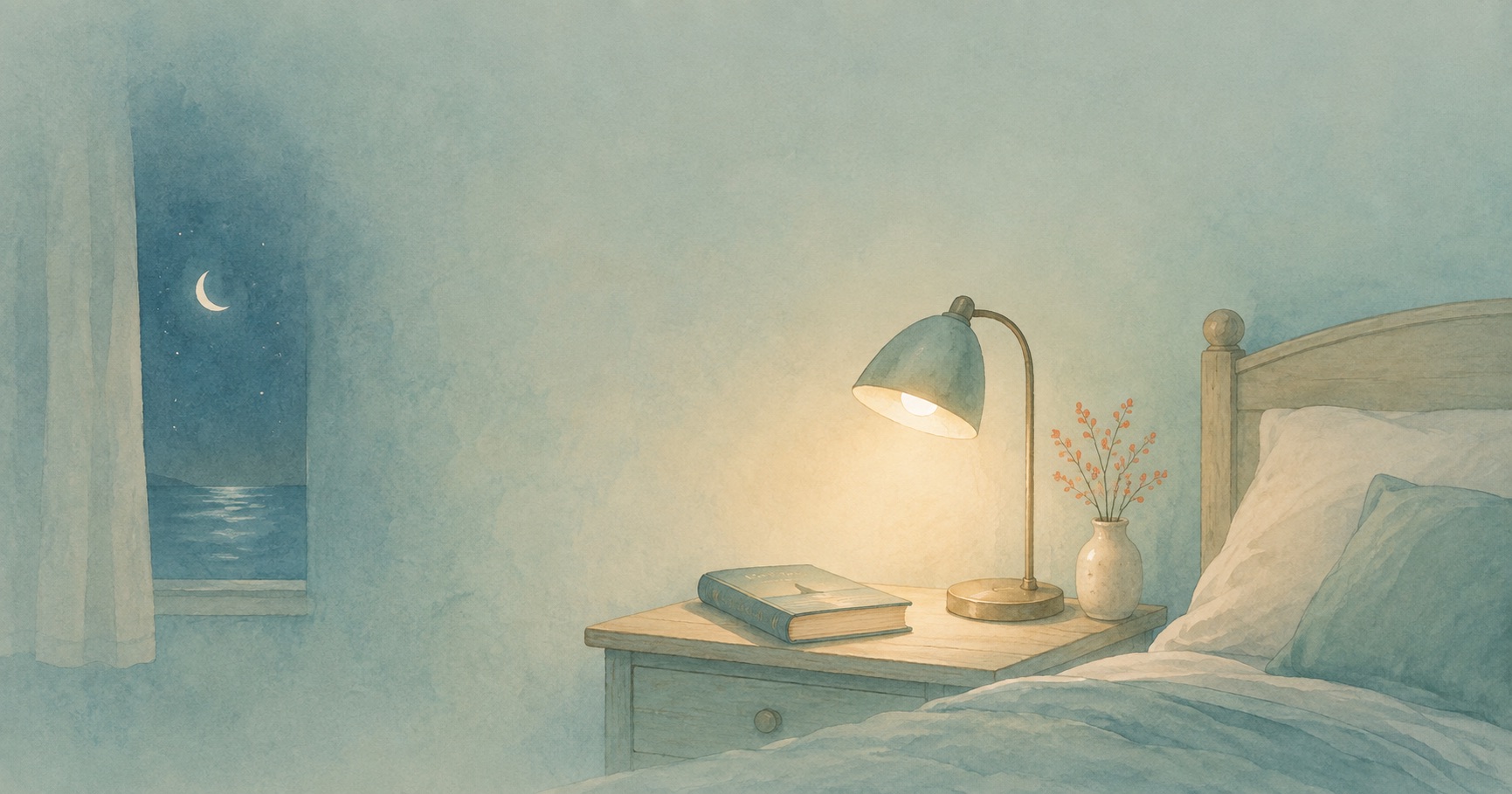
The reasons are plain: the phone is closer, and the phone is easier. The book lives in the bookcase, the phone lives in the hand. The book asks a page's worth of patience before the pull arrives; the phone pays on waking. Those two gaps beat willpower every night. So instead of growing willpower, erase the gaps: the book takes the phone's spot, the phone takes the bookcase's exile, and the first-page threshold drops to 10 minutes.
| Spot | Before | After |
|---|---|---|
| Nightstand | Phone, charger | Book, reading lamp. Phone outside the door |
| Sofa side | Phone | The current book, left open |
| Kitchen table | Phone | A magazine or a thin book |
| Bag | Phone in the outer pocket | Book in the outer pocket, phone deep inside |
| Bathroom door | Phone carried in | Phone stays in a basket at the door |
Before bed is the easiest slot. You're lying down anyway, and with no phone, the hand finds the book. First week: 10 minutes. If failures stay under twice a week, next week: 20. At this pace, a month lands on 30 minutes, and 30 daily minutes is a book a week. I started by putting a book in the before-bed short-form slot: past nine, phone to the drawer, book to the nightstand. The first days, not a page went in. Around week one, it started going in.
Spend an hour in a feed that refreshes every few seconds and a page of prose crawls. The book didn't get boring. The comparison bar got raised. So the order carries everything: don't try to read after short-form. Read first, phone after. With the phone in a drawer past nine, the order enforces itself: the book goes first because nothing else can.
Once the reading takes, one more thing changes. Books end. A day comes when the cover closes, and that feeling is nothing like the feeling after an hour of short-form. You remember what you read, you pick the next one, you want to visit a bookstore. The evening I closed my first finished book, the drawer never crossed my mind. That was the first sign the habit had set.
And the before-bed 10 minutes differs from every other 10. By day, the reading ends and the work resumes. Before bed, nothing waits on the other side, so 10 becomes 20, and some nights an hour. It's the only slot that grows without being pushed.
The first days of a book not reading is normal. Week one's goal is opening it and sitting for 10 minutes. The reading is what comes after.
Set Sumbi's dive to 30 minutes before bed and those 30 minutes belong to the book. Phone in the drawer, screen dark, and when the dive ends, a shell opens and a creature joins your sea. By the time the book closes, a few creatures will be living there.
Go meet your first creature →Start with books you want, not books you should. The habit comes first, the content later. The first month goes to novels and essays that turn their own pages. The hard books wait comfortably for the habit to arrive.
Paper is easier at first: it's a different object from the phone, so the hands don't get confused. E-books become habits only on dedicated devices. On a phone, one notification closes the book, and the wake wanders into other apps.
This is something I learned as a parent: a kid watches an adult reading far more than they hear read a book. When I open a book on the sofa, my kid fetches one too. When I'm on a screen, my kid goes looking for one. The reading habit was meant for me. It worked on my kid first.
One line from a phone-down day. About a month after the book took the short-form slot, I fell asleep reading. The morning after was nothing like the mornings after falling asleep to a screen.
This article is general information, not medical advice. If sleep or daily life stays disrupted, talk to a professional.
Scan the QR with your phone to open the install page.
 Sumbi
Sumbi