The longer your phone rests, the deeper life becomes. Written by one person practicing putting the phone down, only as far as actually tried.
 Jan 1, 2026
Three things push sleep back when you scroll before bed: the screen's light, the arousal from what you watch, and the simple fact that you lie down later.
 Jan 2, 2026
Every way of not checking your phone while studying reduces to three devices: distance, the phone in another room or deep in a bag; time, pre-set no-phone and phone windows like 50 and 10; and a partner, one person told your start and end.
 Jan 4, 2026
There is no set age. Expert guidance clusters around late elementary to middle school, and ahead of age entirely: whether the kid can already keep a time agreement.
 Jan 5, 2026
iPhone Screen Time lives in Settings, and four pieces matter: App Limits for per-app daily allowances, Downtime to close off the night hours, Always Allowed to keep phone and maps open, and last, a Screen Time passcode.
 Jan 6, 2026
Official surveys never judge problematic phone use by the hours.
 Jan 7, 2026
Short-form is hard to stop because three mechanisms overlap on one screen: variable rewards, never knowing if the next video pays off, autoplay that continues without your hands, and infinite scroll that never ends.
 Jan 13, 2026
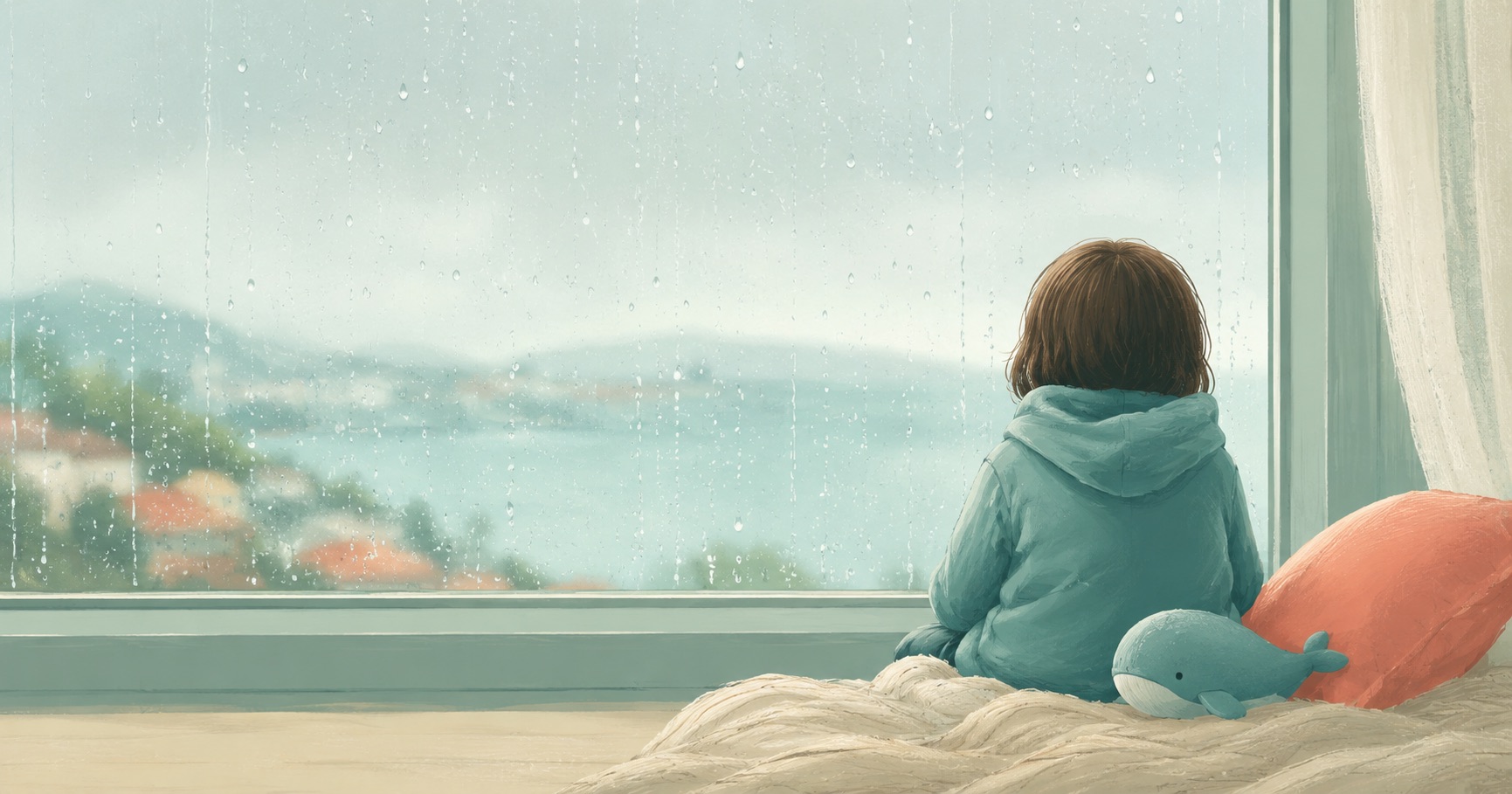
Mulmeong is a Korean word for gazing at water while thinking of nothing: the sea, a river, an aquarium, even rain. While you space out, the brain isn't switching off.
 Jan 20, 2026
Wondering if your screen time is a lot?
 Jan 23, 2026
A study did find that a silent phone on the desk went with lower scores on attention-demanding tasks, strongest in heavy phone users.
 Jan 25, 2026
The major bodies mostly agree: under 2, almost nothing beyond video calls; ages 2 to 5, under an hour a day, watched together; school age and up, conditions instead of numbers, a line that doesn't crowd out sleep, activity, and conversation.
 Jan 26, 2026
Do Not Disturb silences everything at once, which breeds its own anxiety.
 Jan 27, 2026
The confirmed effects of zoning out are modest: focus returns after short do-nothing breaks, stuck problems come loose more easily, and the day's events get filed.
 Jan 29, 2026
Blue light delaying melatonin at night is real science.
 Feb 3, 2026
Surveys put adults at roughly 60 to 100 phone pickups a day, sometimes past 150. That is about once every 10 minutes awake.
 Feb 11, 2026
People with heavy short-form hours tend to score lower on sustained-attention tests: that correlation shows up across studies.
 Feb 13, 2026
The pomodoro method breaks not at the 25 minutes but at the 5-minute break: check the phone there and the 5 becomes 25, and what you saw lingers into the next work stretch.
 Feb 15, 2026
Family phone rules that last apply equally to parents and kids, never exceed three, and were spoken by the kid in the kid's own words.
 Feb 16, 2026
Android's Digital Wellbeing lives in Settings under Digital Wellbeing & parental controls, and three pieces do the real work: app timers set a per-app daily allowance, Bedtime mode turns the screen grayscale and quiets notifications on a schedule, and Focus mode pauses chosen apps.
 Feb 24, 2026
Boredom is the head's signal that what you're doing lacks meaning: go find something else. Silence the signal instantly with a phone and the finding never happens.
 Feb 26, 2026
Sleep experts widely recommend stopping the phone 30 to 60 minutes before you intend to sleep, because that's what the head needs to come down.
 Mar 3, 2026
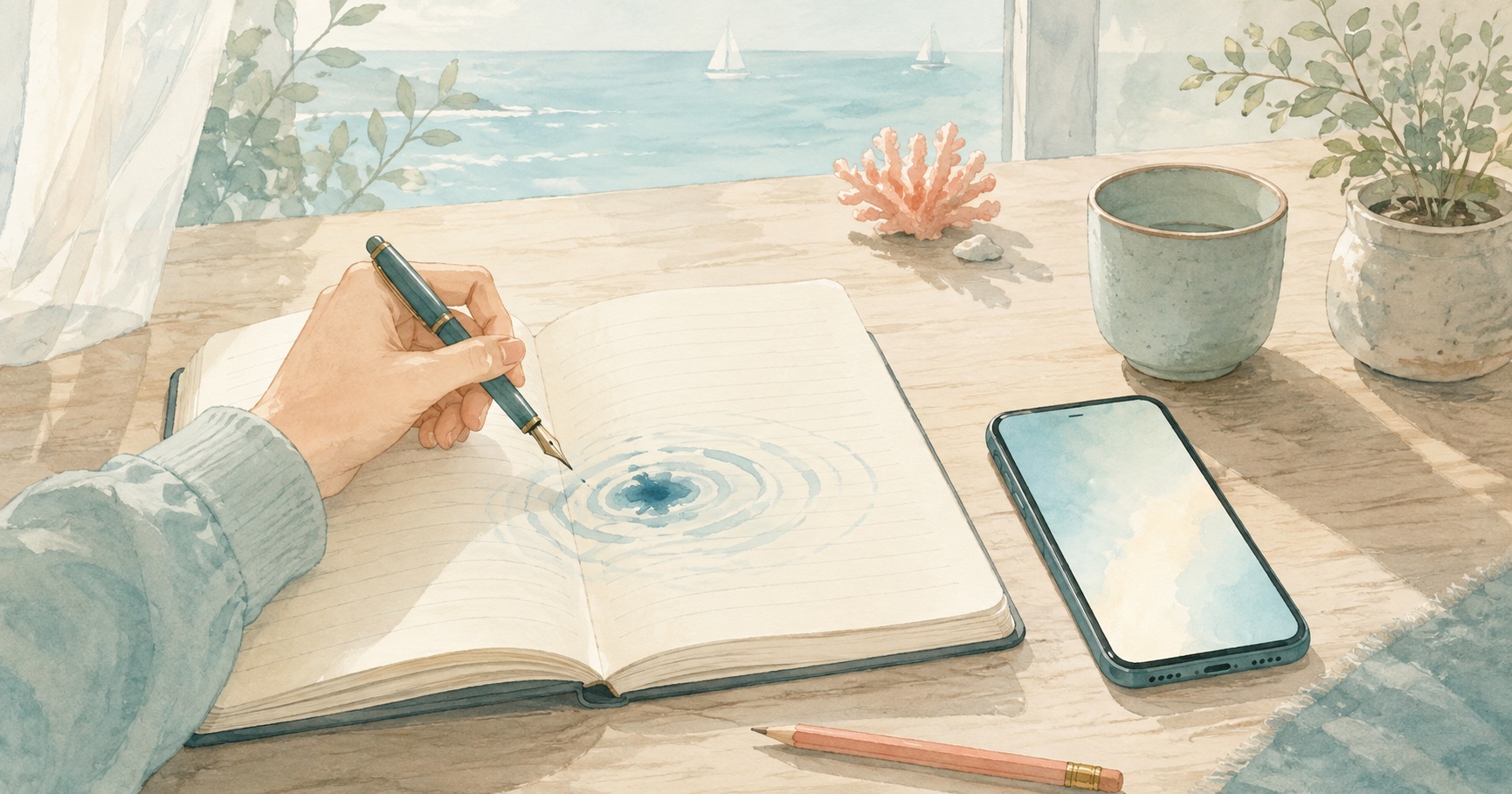
What dopamine detox actually means: pausing high-stimulation activities for a while so ordinary things feel satisfying again.
 Mar 6, 2026
A notification takes 3 seconds to read.
 Mar 8, 2026
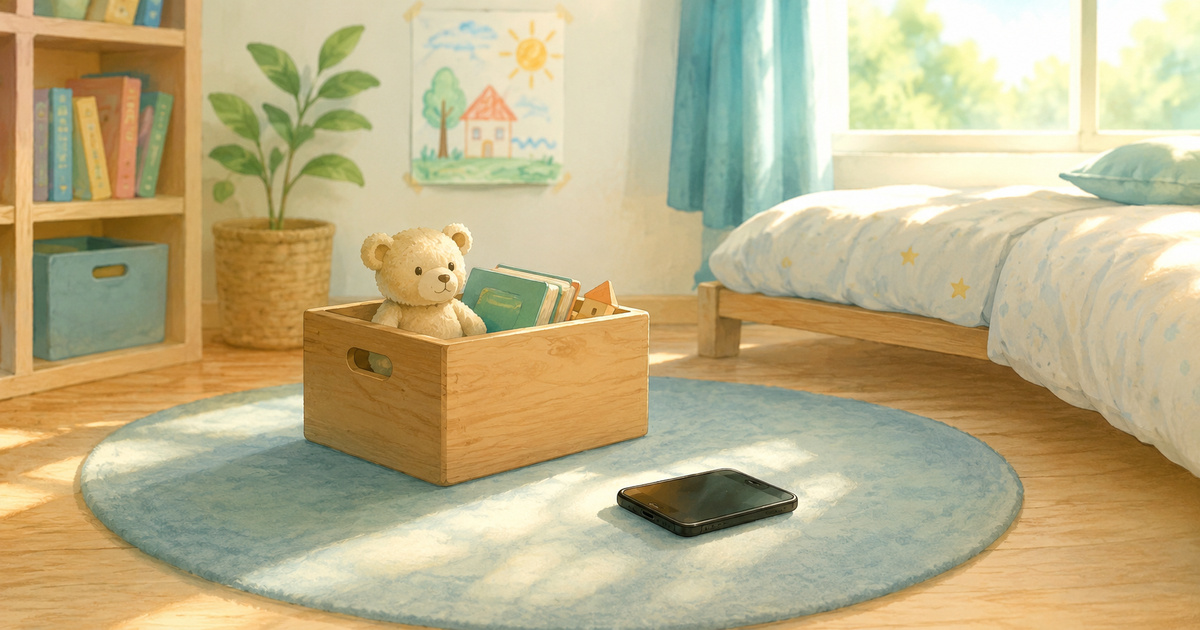
A phone-free dinner lasts longest started small: one basket in plain sight on the table, and only-while-we-eat as the whole rule. Thirty minutes, not the whole day.
 Mar 9, 2026
Choosing what to keep beats choosing what to switch off, and five categories cover it: messages a human personally sent, calendar events and alarms, live transactions like payments and deliveries, anything about your kid and family, and verification codes.
 Mar 10, 2026
Walk with your phone and only your body is outside: your head stays in the screen.
 Mar 11, 2026
Infinite scroll was invented in 2006 to spare users the trouble of pressing next page, but that trouble was the one gap where should I stop got asked.
 Mar 17, 2026
What actually happens in the first days of cutting back on your phone: a hand that reaches for a phone that isn't there, a fear of missing something, then a boredom that's hard to sit with.
 Mar 19, 2026
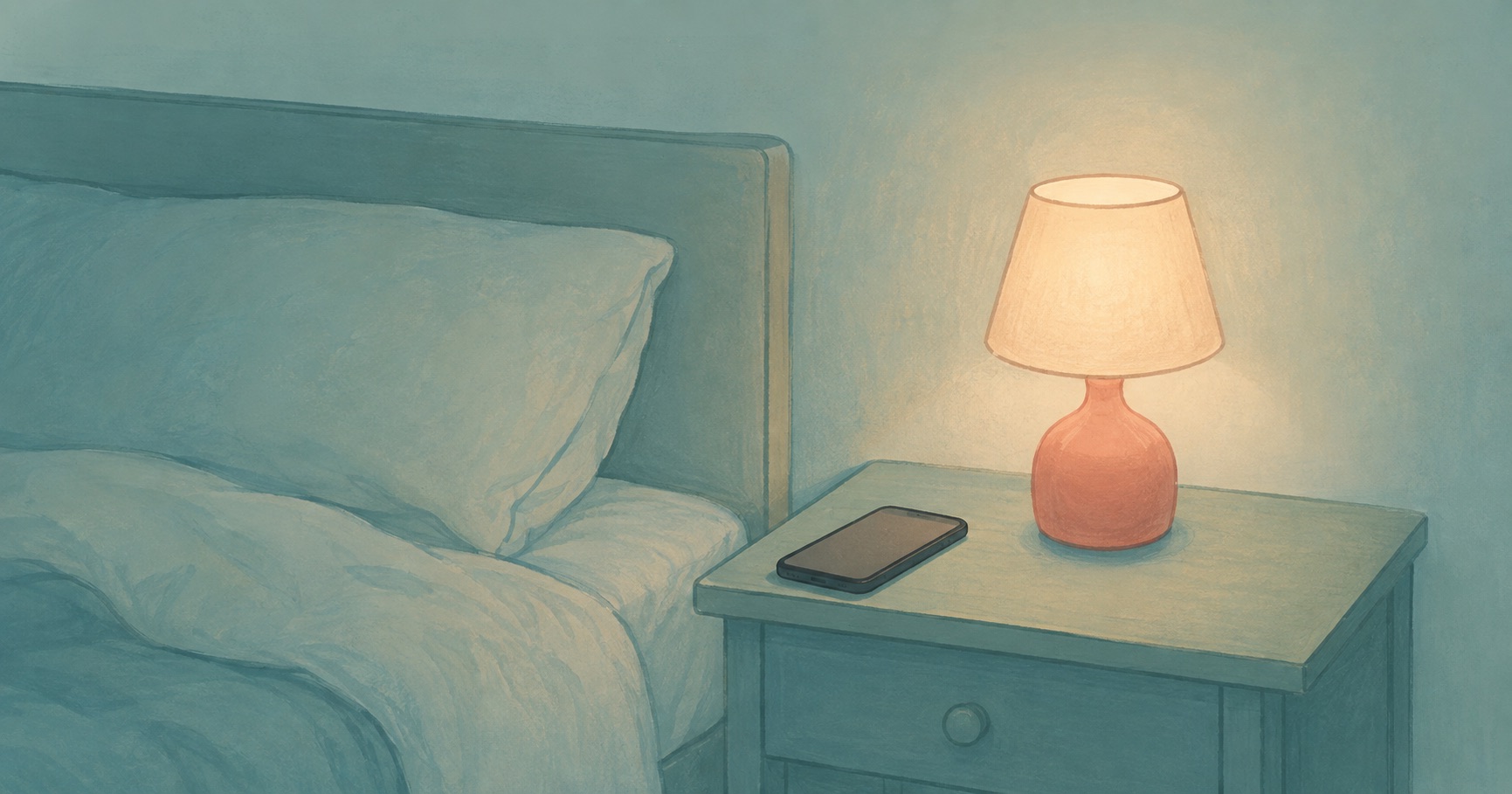
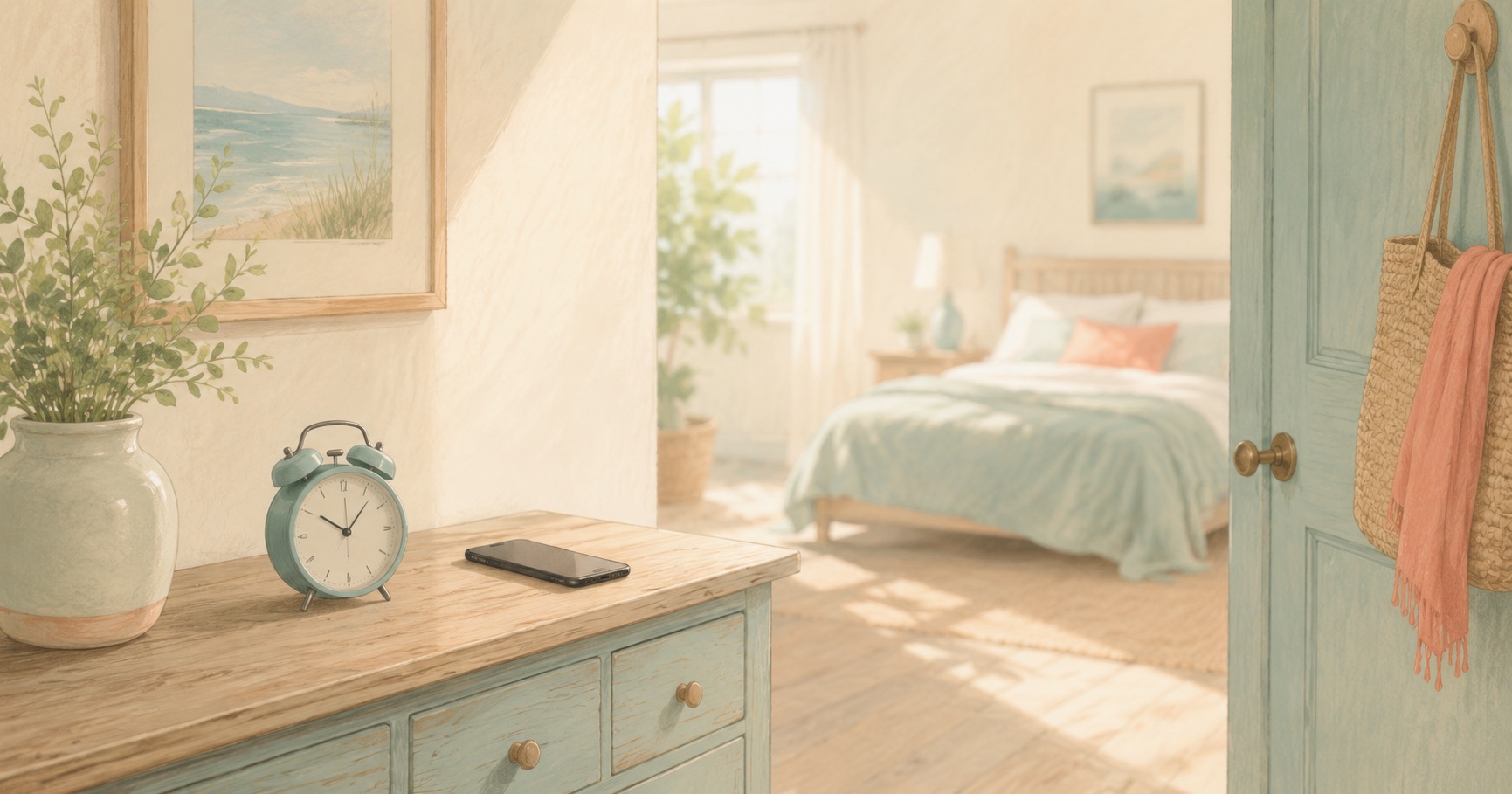
If the alarm is why your phone sleeps next to your bed, there are two answers. Keep it in the bedroom but out of arm's reach, so turning off the alarm means getting up.
 Mar 27, 2026
Working from home, the phone distracts more because nobody's watching, work messages arrive on it, and it sits within reach in every room.
 Mar 29, 2026
Across studies in several countries, the strongest predictor of a kid's screen time isn't whether rules exist: it's the parents' own screen time.
 Mar 30, 2026
The first page keeps tools only: phone, messages, camera, maps, calendar, notes, apps that close within three minutes of opening.
 Mar 31, 2026
What actually changes when you turn off notifications: pickups drop before screen time does, the first days bring a fear of missing something, and that fear fades within a week.
 Apr 7, 2026
The awkwardness of sitting phone-free in public is really two things: hands with nothing to hold, and the feeling of being watched.
 Apr 14, 2026
Ten phone-free minutes feel like thirty because your sense of time runs on the amount of stimulation coming in.
 Apr 15, 2026
The research mostly lands between 30 minutes and an hour a day: a college experiment that capped use at 30 minutes saw loneliness and low mood drop in three weeks, and teen surveys show negatives rising past about an hour.
 Apr 16, 2026
Waking briefly at night is normal. Turning on the phone is what keeps you awake, through light, arousal, and the math you start doing on your remaining sleep.
 Apr 17, 2026
Exam-season phones need stronger handling than everyday phones: two or three check-in windows a day, and the phone counts as nonexistent the rest of the time.
 Apr 19, 2026
The research repeats one finding: when a parent is on the phone, the words and eye contact flowing to the kid drop and responses slow, and the kid reads the slowed response as that matters more than me right now.
 Apr 20, 2026
On iPhone, grayscale lives under Accessibility, Display & Text Size, Color Filters; on Android, inside Bedtime mode or the accessibility menus.
 Apr 21, 2026
Hobbies rarely stop for lack of time. Mine stopped while I had three phone-hours a day.
 May 12, 2026
Five reasons the phone keeps winning: three built into the design (unpredictable rewards, other people's reactions, manufactured fear of missing out) and two on our side (dodging boredom and uncomfortable feelings, and the habit loop that moves faster than thought).
 May 14, 2026
The wake-up scroll isn't a willpower failure. It happens because turning off the alarm and checking the phone are fused into one motion.
 May 15, 2026
A reading habit is a placement problem, not a willpower problem.
 May 17, 2026
The guidance for under-2s is almost nothing beyond video calls, and for 2 to 5, under an hour a day watched with a parent.
 May 18, 2026
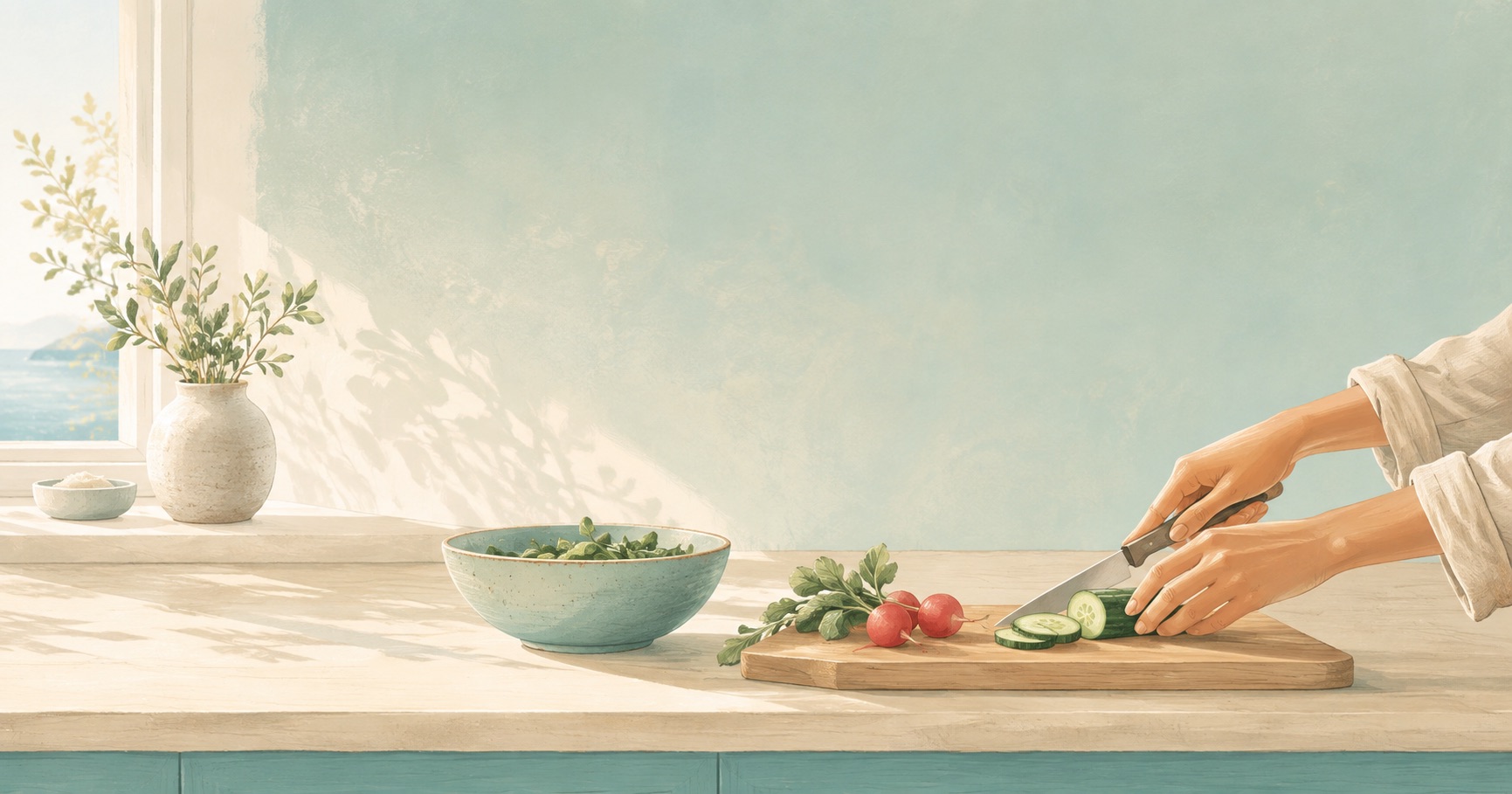
Do Not Disturb works best hung on conditions instead of switched by hand: nights on a clock schedule, meetings on calendar events, workouts on app launch, so it turns on and off without the phone ever getting picked up.
 May 19, 2026
Handwork calms in three ways: repetitive motion holds the head in one place so worry can't spread, results pile up in plain sight so the sense of having done something arrives immediately, and busy hands can't hold a phone.
 May 20, 2026
Comparison fatigue isn't feeling worse than others: it's the drain of endlessly comparing edited moments against your own ordinary day.
 May 26, 2026
Most digital detoxes fail for three reasons: starting too big, treating one slip as the end, and going it alone.
 Jun 2, 2026
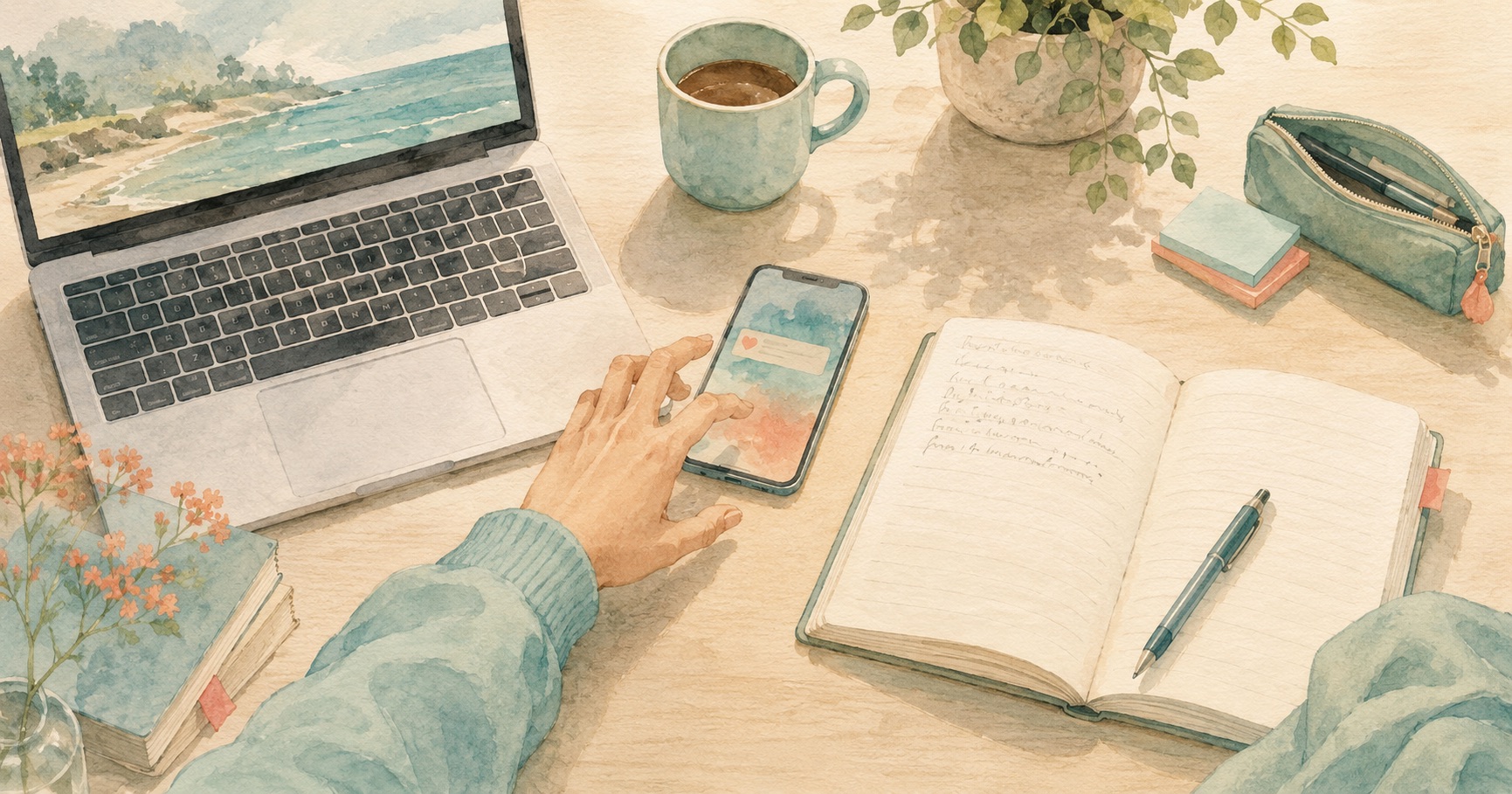
A body of research finds that time in nature lowers stress markers and restores attention, and one study found stress hormones dropped most between 20 and 30 minutes.
 Jun 5, 2026
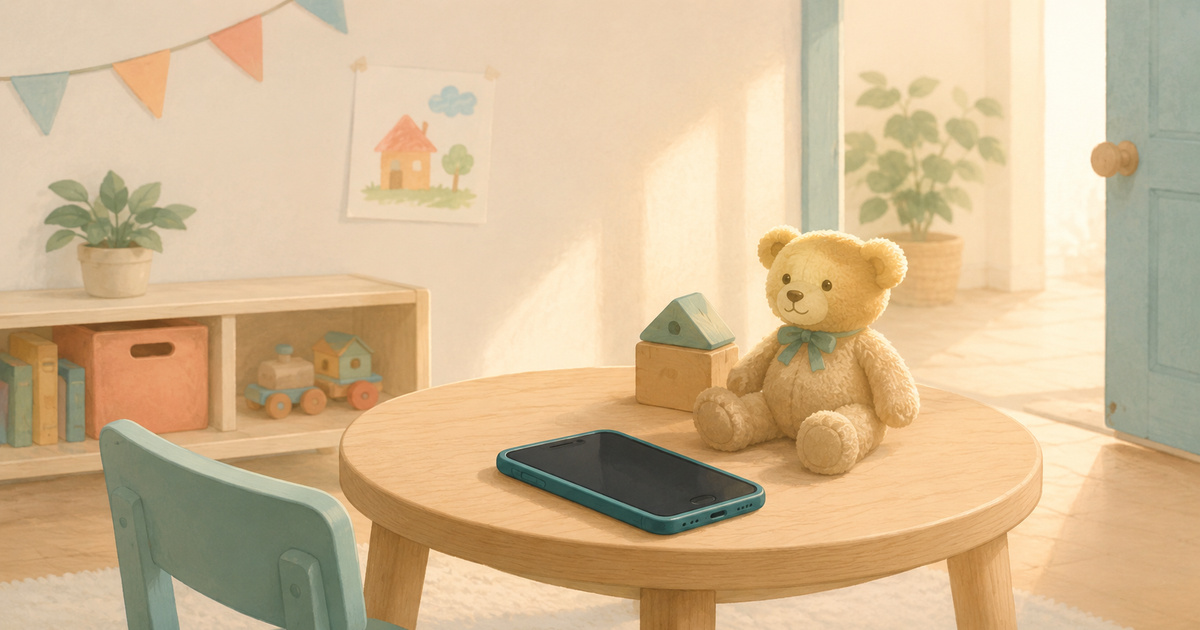
Multitasking fails because attention goes one place at a time, and every hop between tasks bills a switch cost: what looks simultaneous is rapid alternating, and studies report the alternating stretches task time by double-digit percentages while multiplying errors.
 Jun 7, 2026
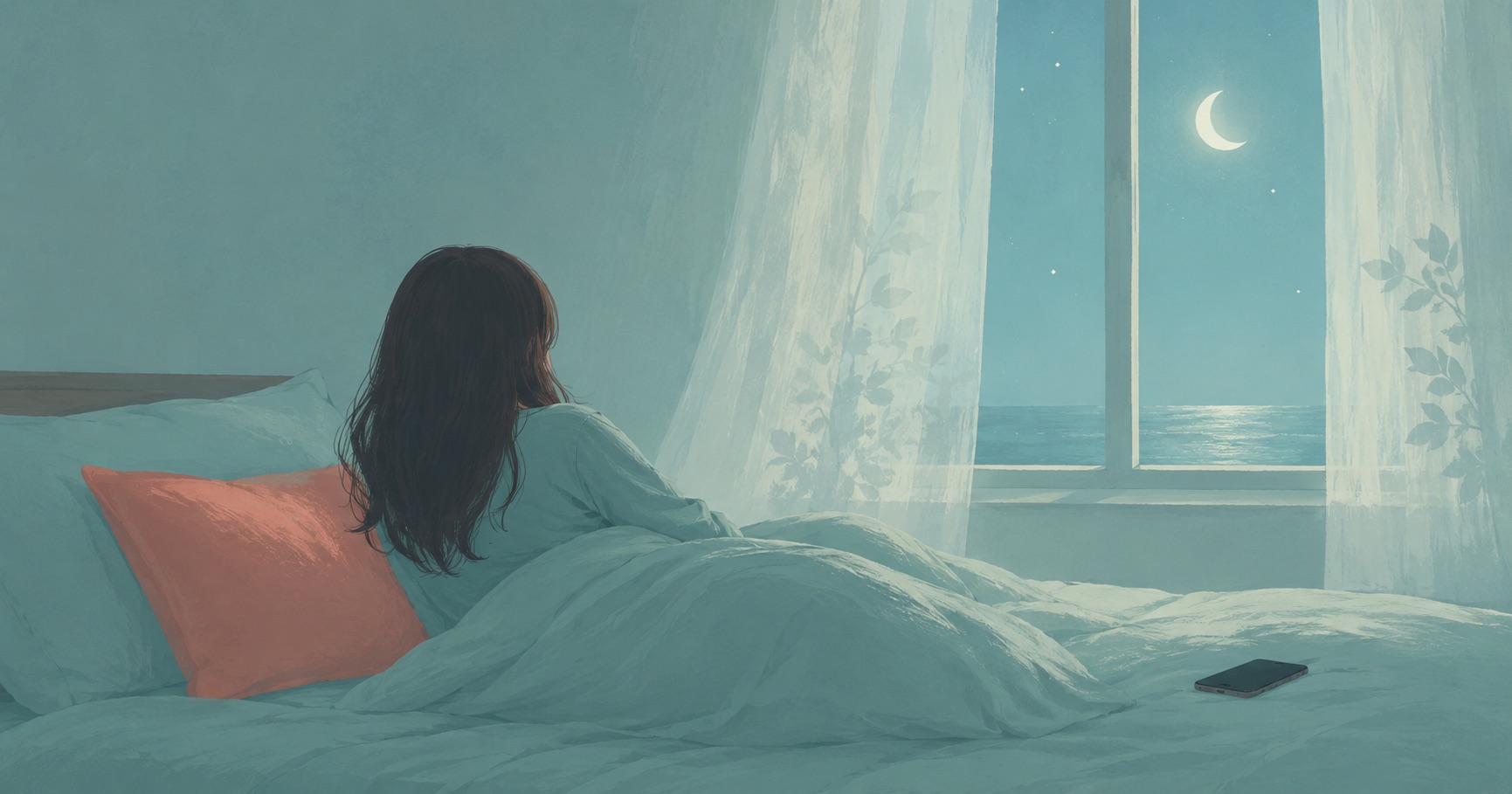
For teenagers, bans mostly grow the hiding rather than shrink the use: at the age where autonomy matters most, a confiscated phone becomes a friend's phone and a hidden old phone, and what actually shrinks is the honesty.
 Jun 8, 2026
Long-video autoplay switches off; short-form feed autoplay doesn't, in any app.
 Jun 9, 2026
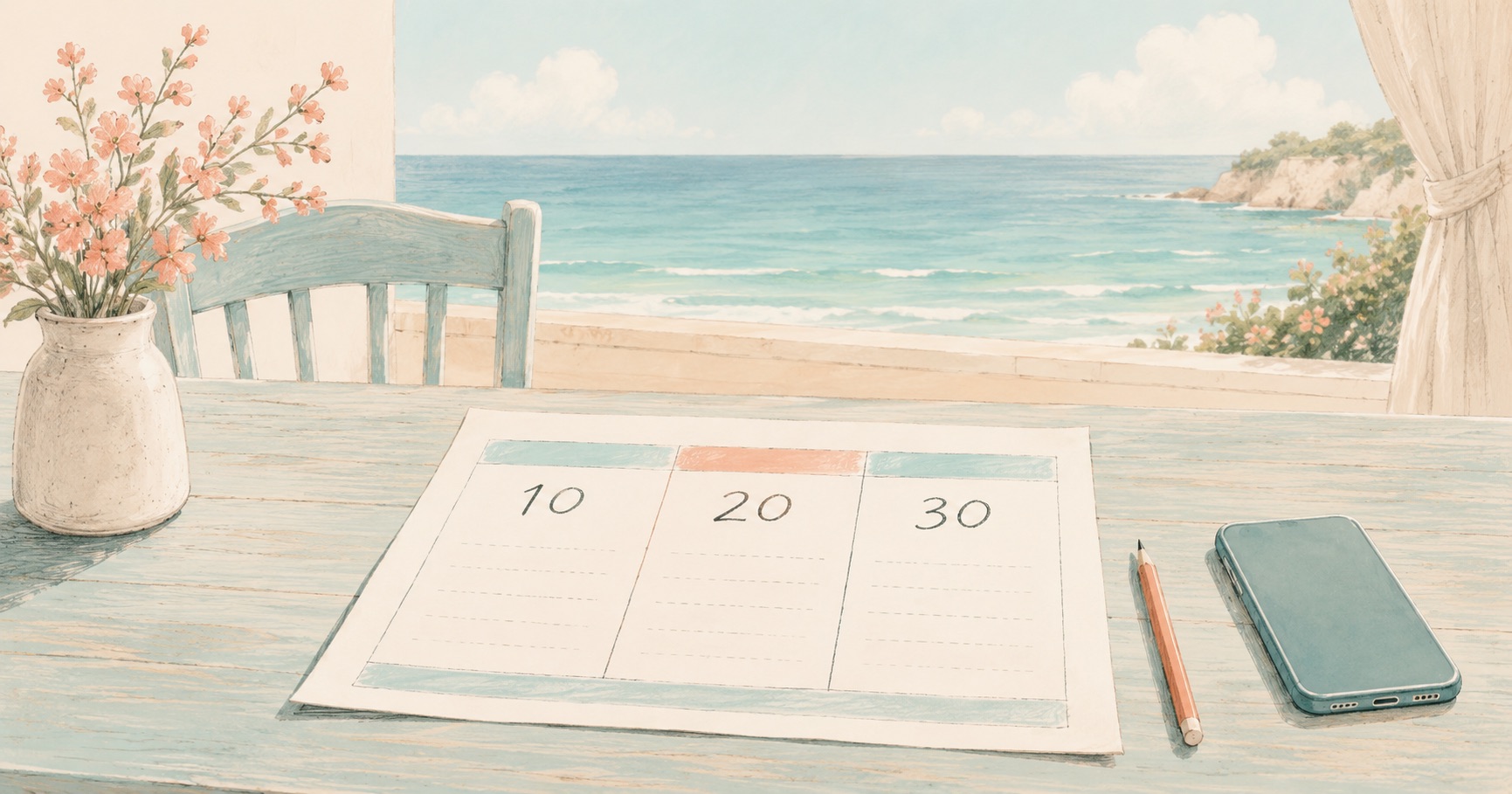
Start at 10 minutes. It fits any day, and it's easy to come back to after a failure.
 Jun 11, 2026
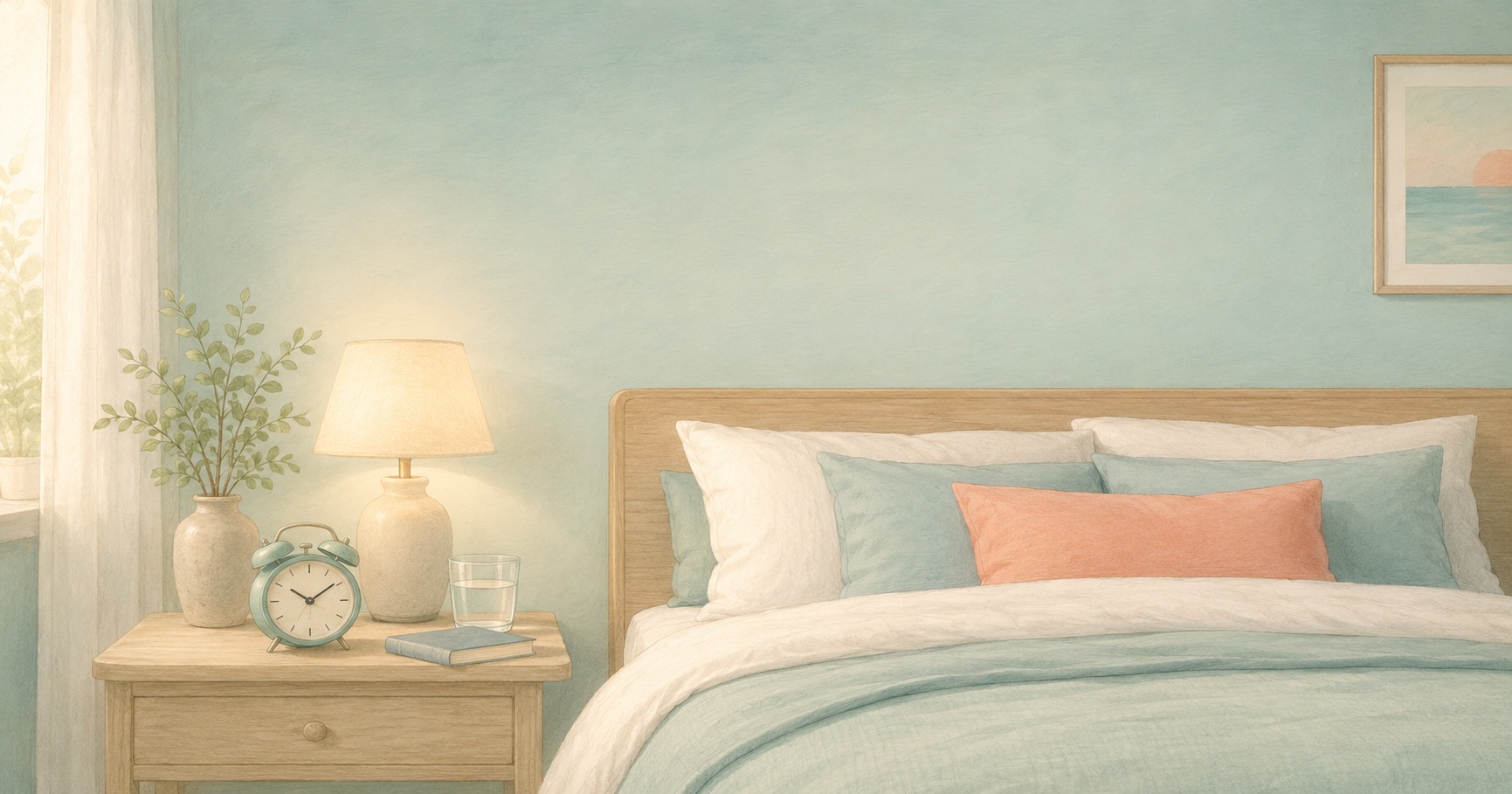
A bedtime routine is a few things done in the same order every night, so the body learns the order as a signal for sleep.
 Jun 23, 2026
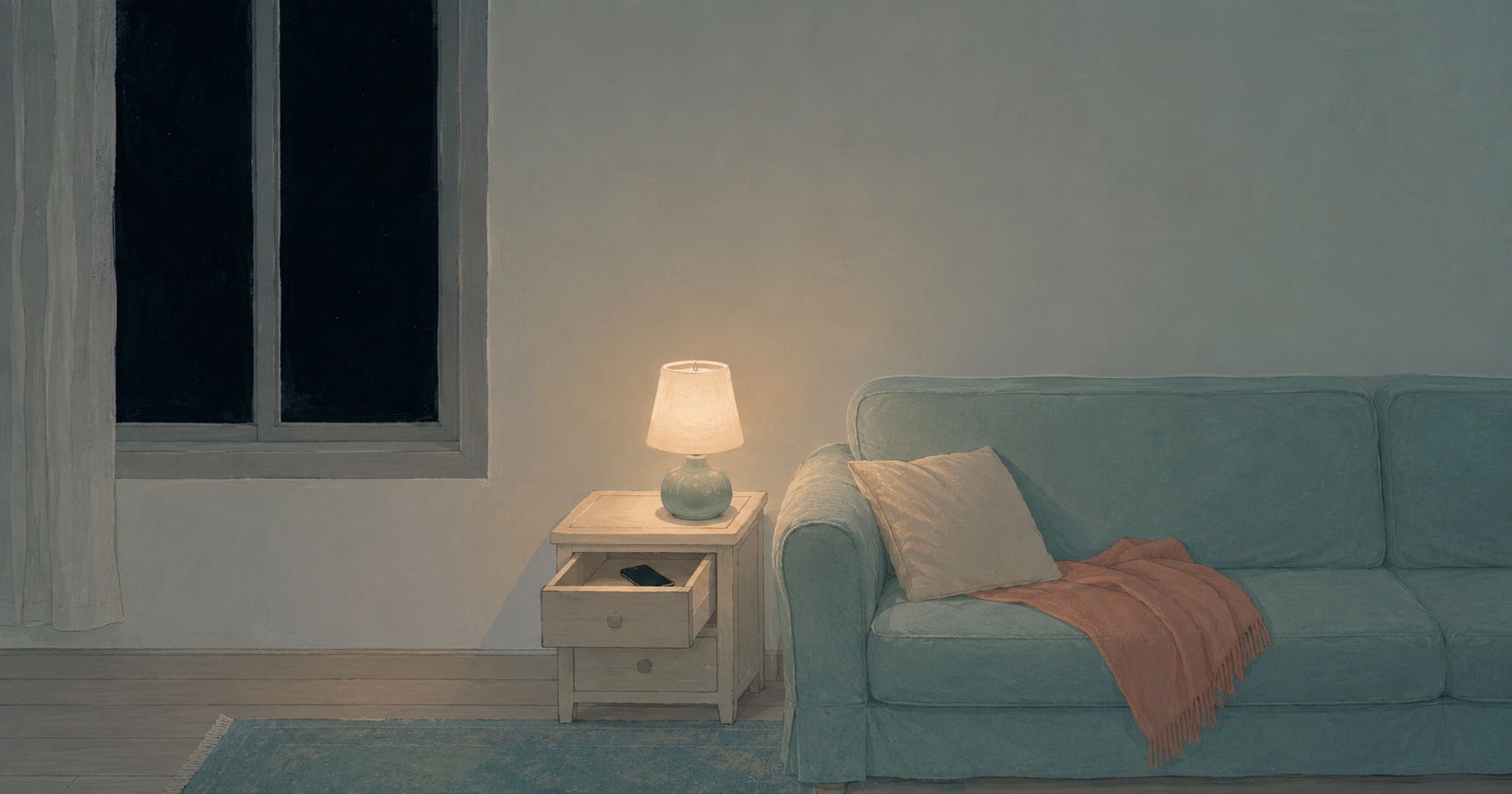
You don't have to turn your phone off. Just moving it to another room changes things.
 Jun 24, 2026
A person who stops fine by day and can't stop at night isn't strange: the strength for making the stop decision is what tiredness drains first, and the day's end is its lowest hour, exactly when short-form sticks best.
 Jun 26, 2026
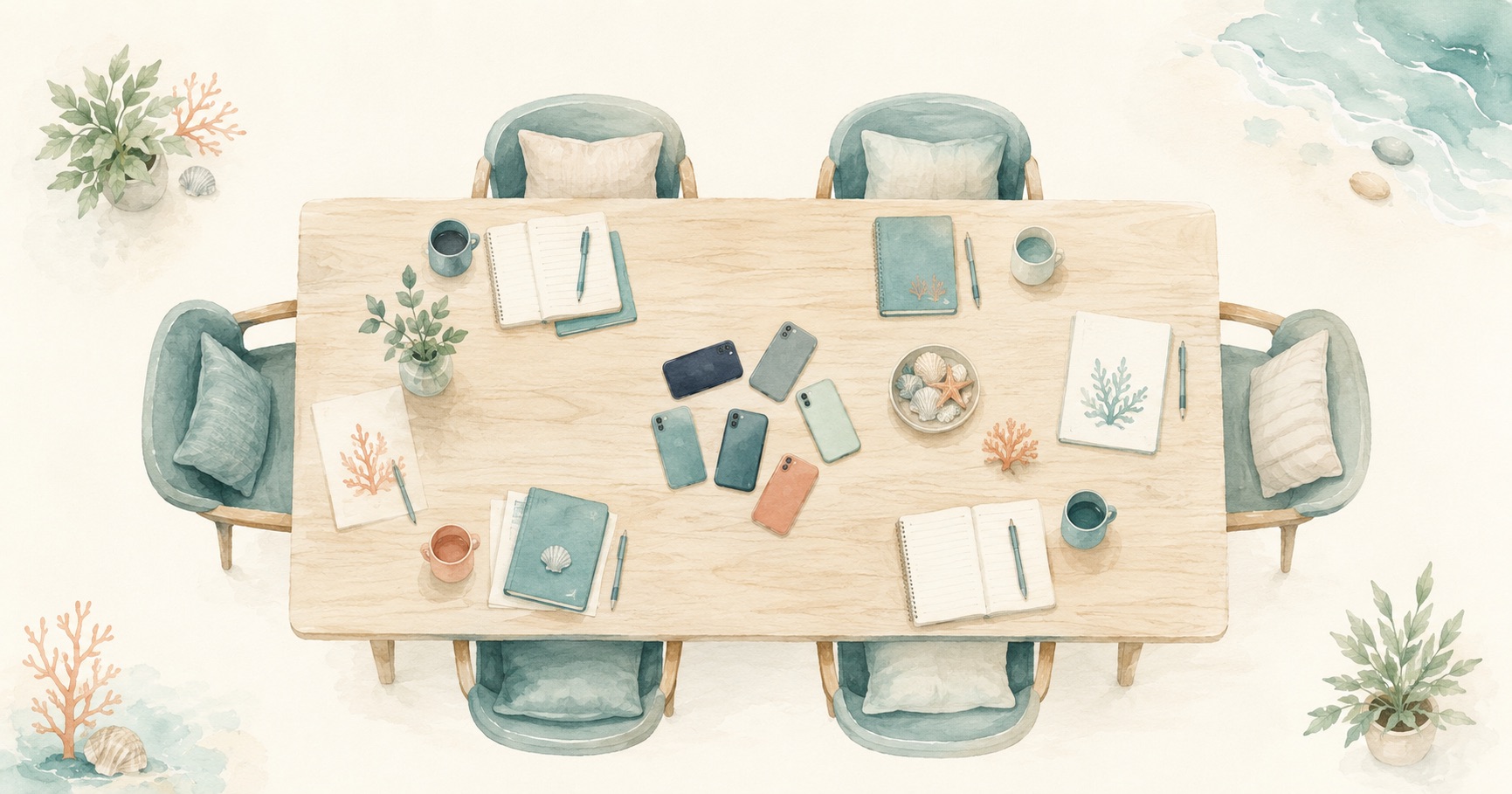
A phone in a meeting doesn't just cost the person looking at it.
 Jun 28, 2026
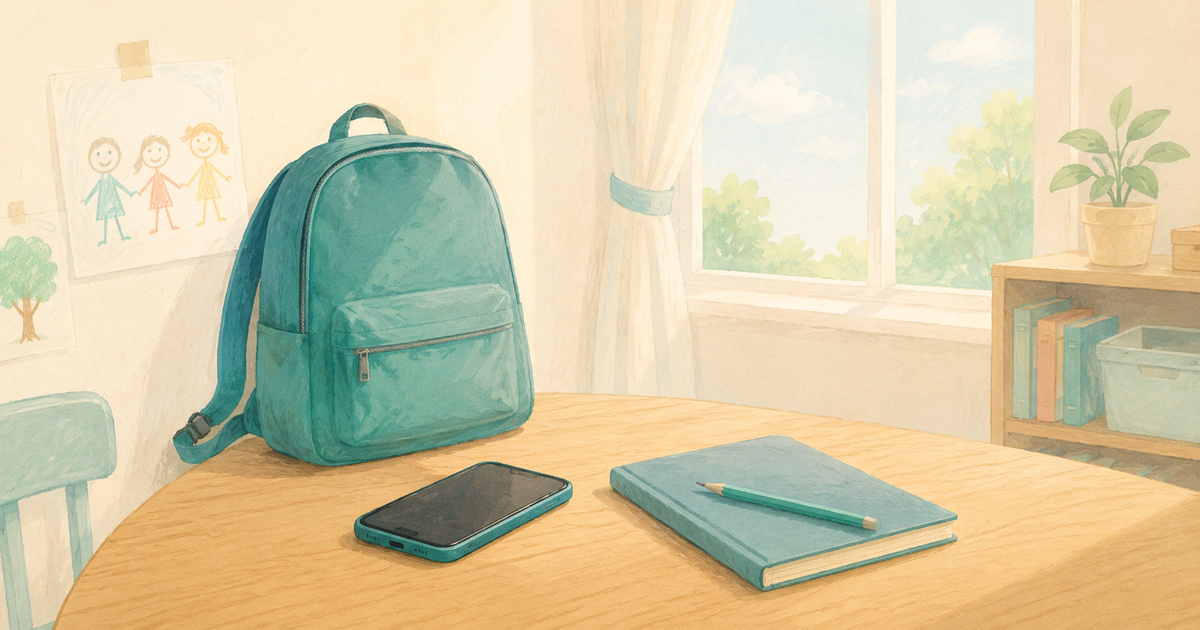
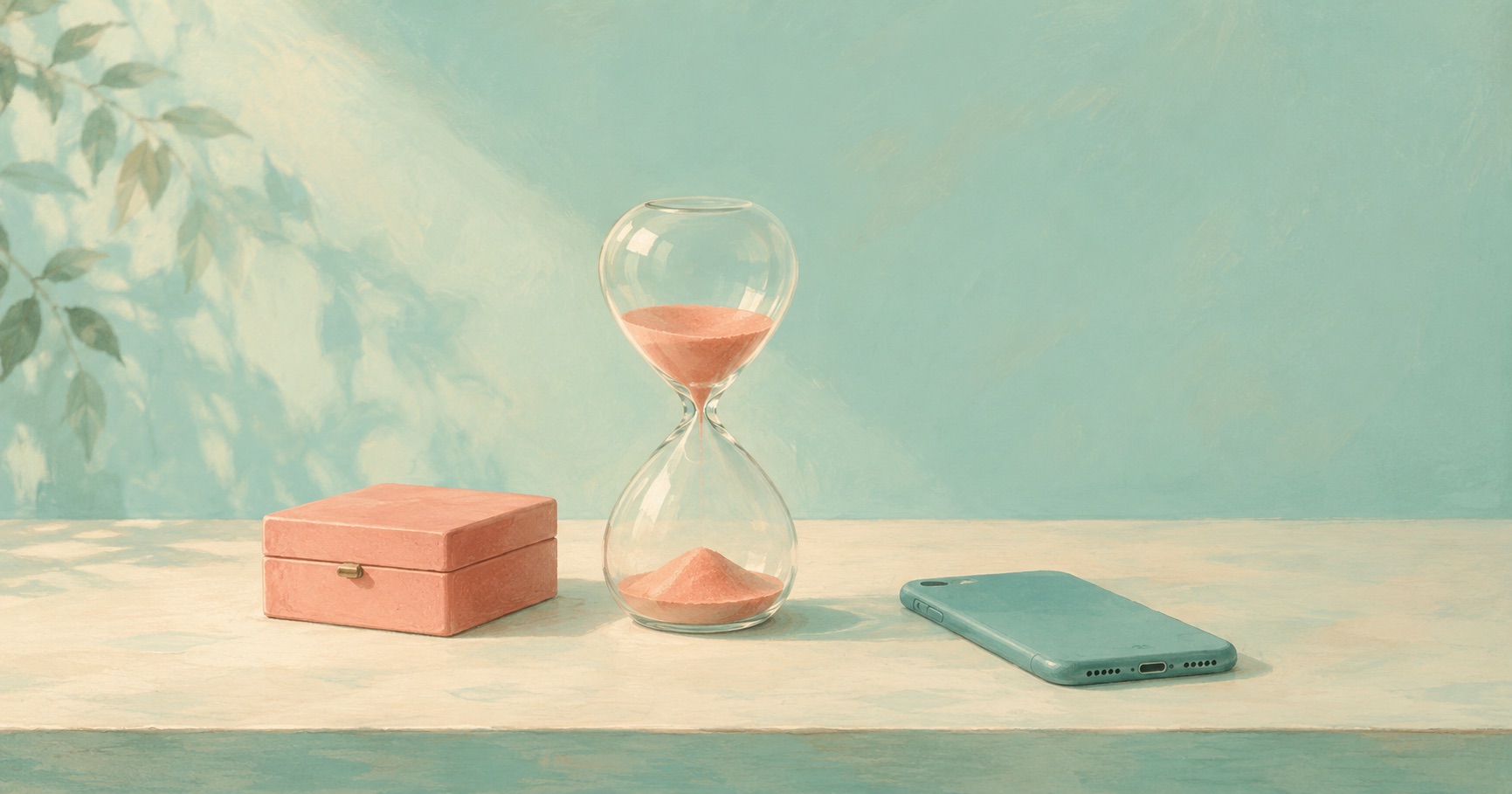
The basket itself works: moving the phone from the hand to a fixed visible spot measurably cuts pickups. What fails is the operation.
 Jun 29, 2026
Digital detox apps split into two kinds.
 Jun 30, 2026
Meditation feels hard because of technique: counting breaths, noticing thoughts, checking your progress become one more task. Just sitting has no technique.
 Jul 2, 2026
Three tests pick a good before-bed activity: the hands repeat or rest, the eyes get less light, and it has an end.
 Jul 14, 2026
A phone-free trip works better as bring it but only take it out at set moments than as leave it home entirely.
 Jul 17, 2026
Deep work is uninterrupted immersion in one hard task, and building it is simple: one 90-minute block a day, phone in another room, messenger closed, one pre-chosen task.
 Jul 19, 2026
Thirty phone-free minutes with a kid is hard not because of the kid but because parents haven't practiced tolerating the boredom of repeated play: a kid finds the twentieth round fresh, an adult thinks of the phone by the third.
 Jul 20, 2026
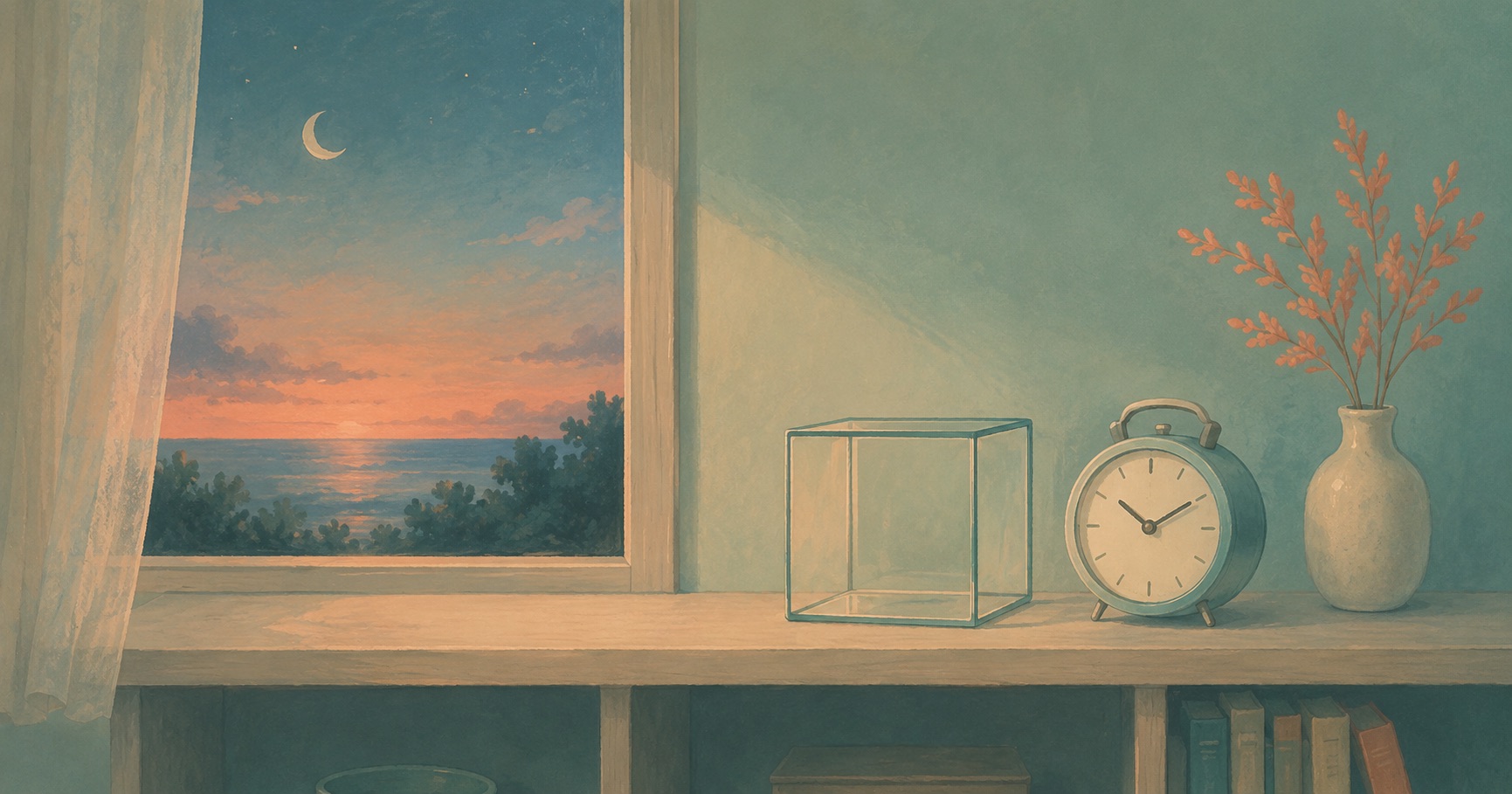
A timer lock box is the one method that requires zero willpower, and its flaw is that the phone's calls get locked in with it.
 Jul 21, 2026
Three things happen when the phone comes to the bathroom: germs hitch a ride onto the phone, time on the toilet stretches and strains the veins around the anus, and a five-minute trip becomes twenty.
 Jul 22, 2026
If a whole movie or a chapter of a book has gotten hard, the ability didn't vanish: the practice shifted toward hopping between short hits.
 Jul 30, 2026
Sleep loss weakens the power to stop before it weakens the power to judge.
 Aug 4, 2026
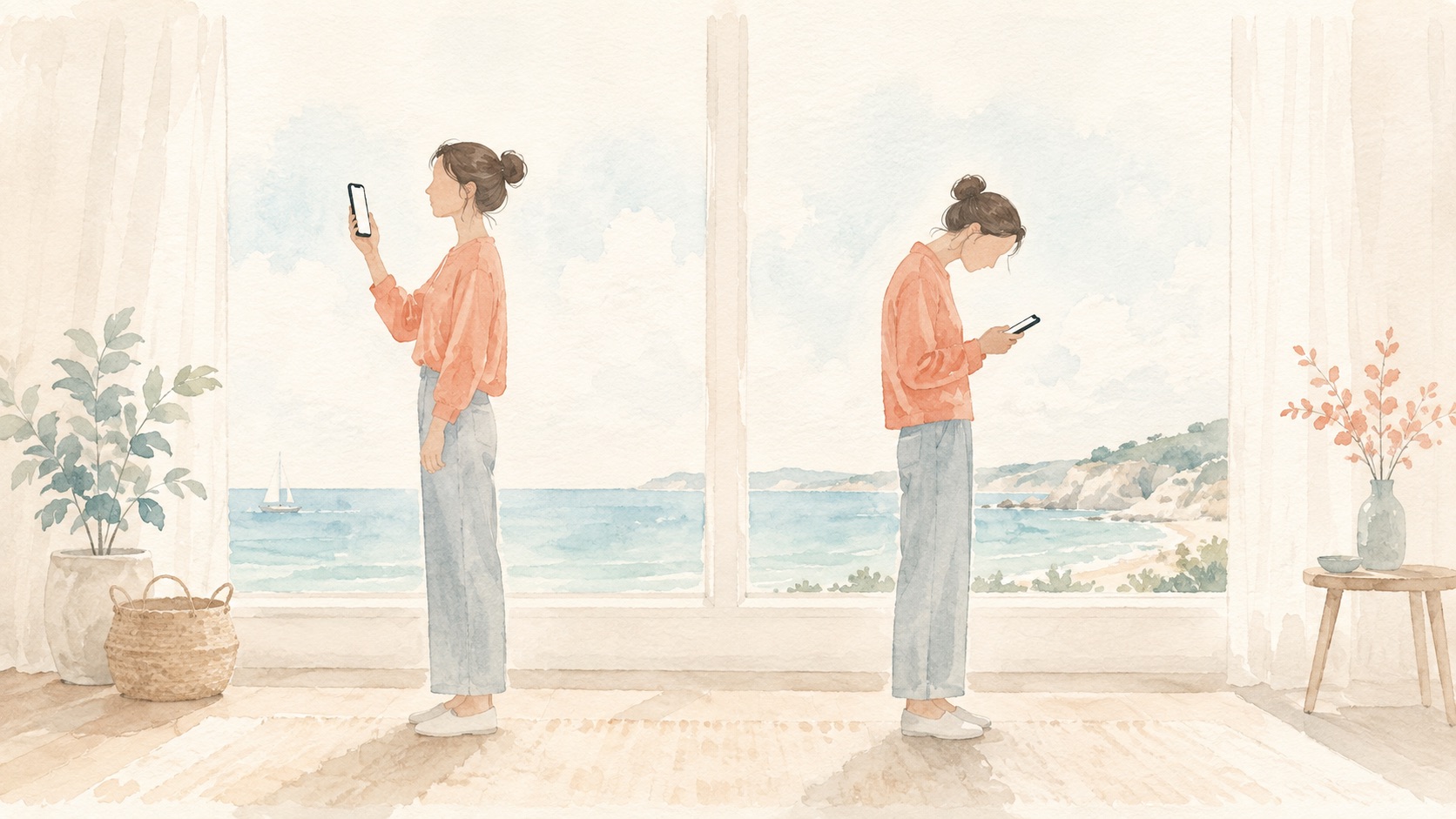
The three places your body signals first when phone time runs long: a neck that stiffens as the head tilts down, a thumb and wrist strained by one-handed scrolling, and eyes that dry out as blinking drops by half.
 Aug 7, 2026
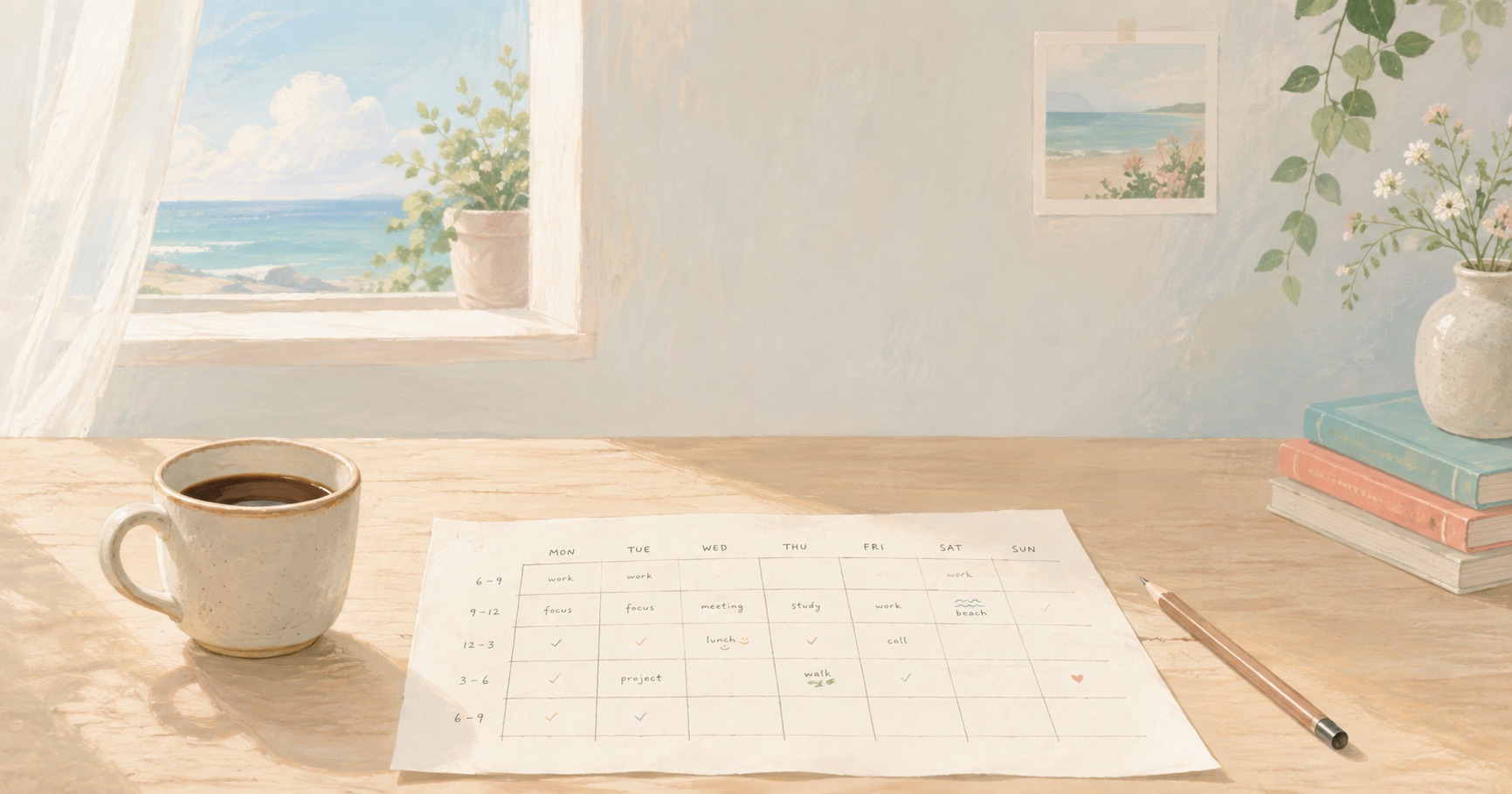
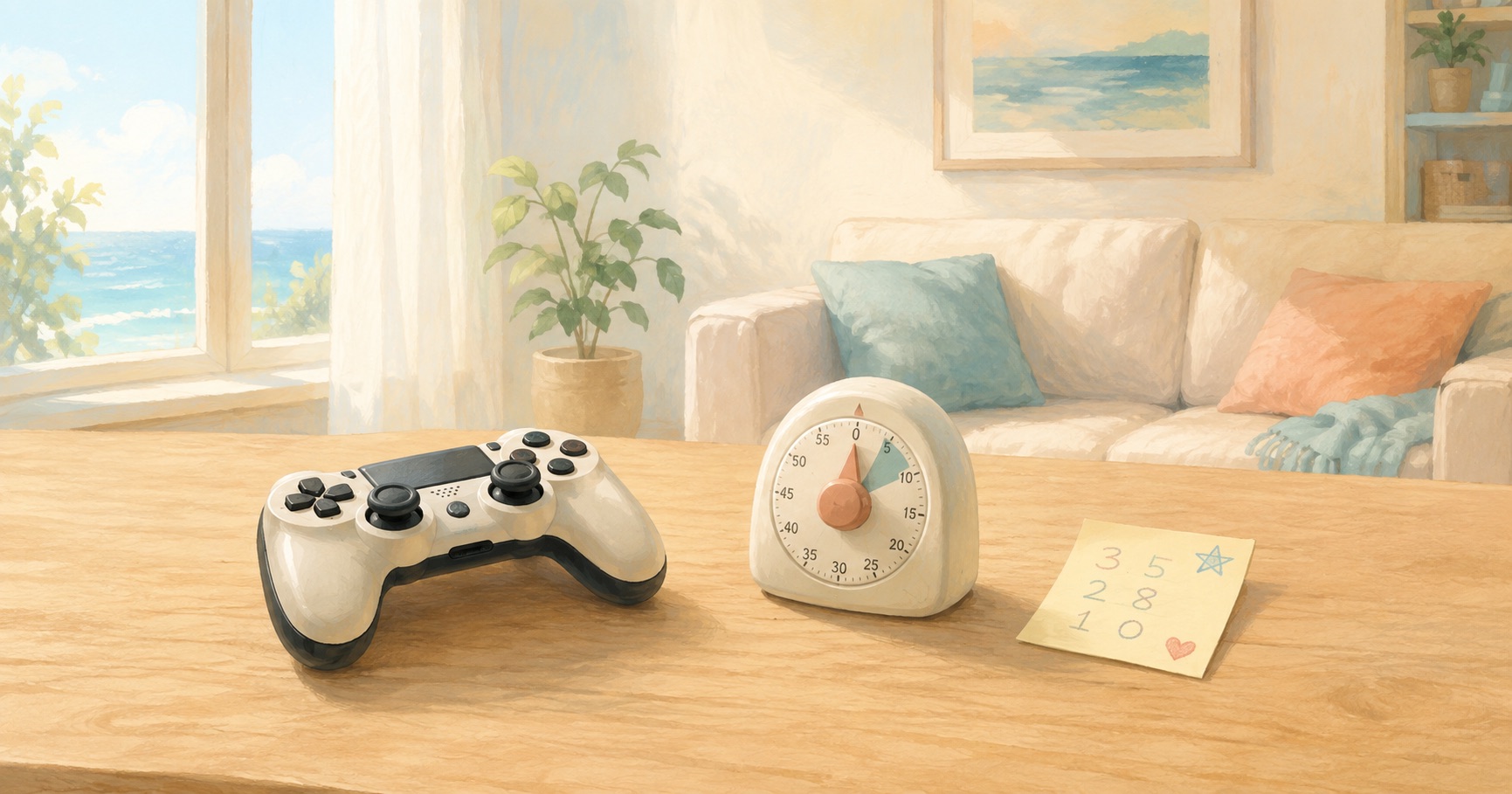
You can find your real focus hours by rating your concentration 1 to 5 every two hours for a week, on paper, because logging on a phone turns the log into phone use.
 Aug 9, 2026
Ten more minutes repeats daily because a parent-assigned number is, to the kid, just an opening bid.
 Aug 10, 2026
iPhone: Settings, Screen Time, then the app and website activity screen. Android: Settings, Digital Wellbeing, Dashboard.
 Aug 11, 2026
A phone isn't one object. It's a box of ten tools, which is why checking the time ends in short-form.
 Aug 18, 2026
A phone-free weekend day stands or falls on three things: exceptions decided in advance, a schedule that fills the empty hours, and one person doing it with you.
 Aug 25, 2026
A one-year retrospective of an evening phone-in-the-drawer rule.
 Aug 26, 2026
Deleting keeps repeating not from weak will but because deleting removes the app without removing the moments that opened it: the bored wait, the after-bedtime slump, the lying-awake scroll all remain, so days later the app returns.
 Aug 27, 2026
Most people feel their bedtime move earlier within about two weeks, and refreshed mornings arrive later than that. The first days often feel worse, not better.
 Aug 28, 2026
Putting the phone down with a partner holds because quitting stops being a private event. Alone, quitting costs nothing, and free quitting happens.
 Aug 30, 2026
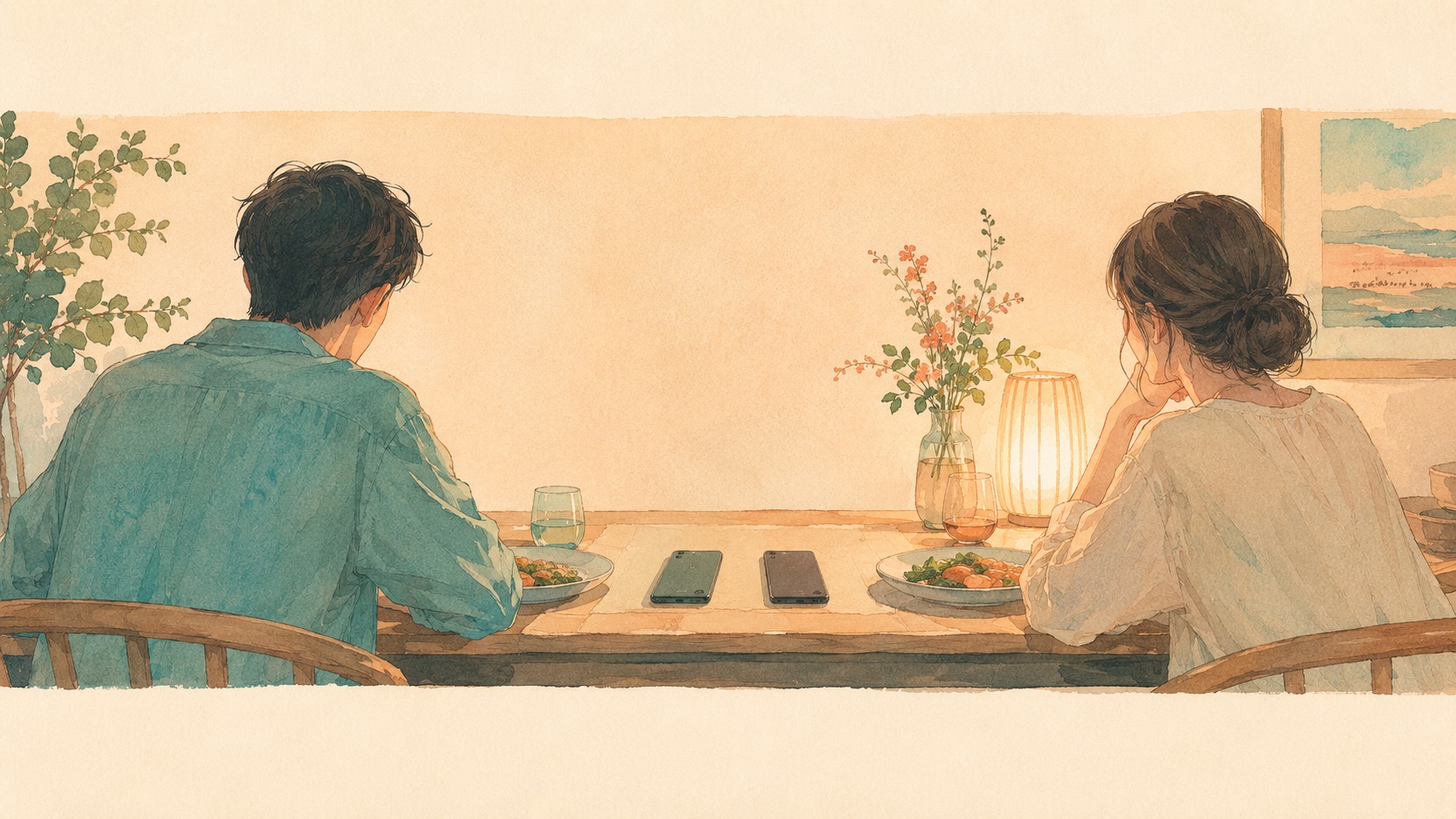
A couple's phone problem stops being a phone problem the moment one partner starts correcting the other: it becomes a relationship problem.
 Aug 31, 2026
Detox apps get deleted within days for three reasons: starting too long, reading failure as punishment, and doing it alone.
No articles in this group yet.
Scan the QR with your phone to open the install page.
 Sumbi