 Sumbi
Sumbi


Mothers Raised by the Sea
Jeju HaenyeoRead all 20 articles ↓
Women who enter the sea on a single breath, no tank, take only what is needed, and come back. The world inscribed that wisdom as a heritage of humanity.
Everything in the digital detox app Sumbi comes from this culture.

Sumbisori, the Sound of a Breath Back from the Sea
A haenyeo works underwater on a held breath. When she surfaces from her sea work, she lets the held breath go in one long, whistle-like exhale. The sound carries along the Jeju shore all day long.
Sumbisori is the whistle-like sound a Jeju haenyeo makes when she surfaces from a dive and releases her held breath in one long exhale. It is also a breathing technique for the next dive, venting the body’s carbon dioxide and drawing fresh air in.
"Hoo-ee♪"The app’s name, Sumbi, comes from this very sound.

Only as Far as One Breath
The haenyeo’s work of harvesting the sea is called muljil. With no air supply, a haenyeo works around 10 meters down, holding her breath for about a minute at a time; a seasoned diver goes deeper and stays longer. She rests on a tewak (a gourd float) and gathers the day’s share into a mangsari (a net bag).
And there is a principle. Young conch and abalone are left in the water, and only what is needed is taken. No one knows better than they do that a sea emptied today has no tomorrow.
Skill divides them into sanggun, junggun, and hagun, but no one goes past the limit of her own breath. Push past it out of greed and the body finally breathes in underwater. The haenyeo call that breath mulsum, and they guard against it above all.


A Sea Where No One Dives Alone
Haenyeo always enter the sea together. Every village forms a haenyeo association that watches over each diver’s safety and sets the rules of the sea in common, and after the day’s work the divers once sat in a circle at the bulteok (a stone windbreak shelter on the shore), warming up and passing on what the sea had taught them. Reading the tides and the wind traveled not through books but through a senior diver’s gestures and the haenyeo songs, and together they offered the jamsugut, a rite asking the sea’s goddess for safety and plenty.
Halmang-badang means the grandmother’s sea. The haenyeo community reserves shallow water rich in seafood as the share of its eldest divers, yielding the good ground so that a senior who has lived her whole life in the sea can keep diving even as her breath grows short. This is the care for the vulnerable that UNESCO singled out in the Culture of Jeju Haenyeo.
A Culture Recognized Three Times
Sustainable harvesting, care for the vulnerable, coexistence with nature. The value of Jeju haenyeo culture has been affirmed again and again, at home and abroad.
On November 30, at the 11th session of the Intangible Heritage Committee in Addis Ababa, Ethiopia, the Culture of Jeju Haenyeo was inscribed. The whole culture the community has handed down through generations, from diving technique to the jamsugut rite and the haenyeo songs, became Korea’s 19th element of the Intangible Cultural Heritage of Humanity.
On May 1, haenyeo were designated national intangible cultural heritage of Korea (then No. 132). The designation covers divers across the whole country, not Jeju alone, and is preserved and transmitted today under the name national intangible heritage.
On November 10, the Food and Agriculture Organization of the United Nations listed Jeju haenyeo fisheries as a Globally Important Agricultural Heritage System, only the fourth fishery system in the world, recognized as a sustainable fishery living in balance with nature.
The Fading Sumbisori
Apart from the world’s recognition, the sea’s clock is running fast.
One more way of remembering the sumbisori couldn’t hurt.

This Culture’s Breathing, Carried into an App
Sumbi is a digital detox app that turns time away from your phone into a haenyeo’s dive.
From the name to the rules, all of it is borrowed from Jeju haenyeo culture.
Sumbi supports the documentation and preservation of Jeju haenyeo culture.
Meet Sumbi
Jeju Haenyeo, One Story at a Time
Each thing in the story above gets its own article. Sources named, and only as far as they reach.
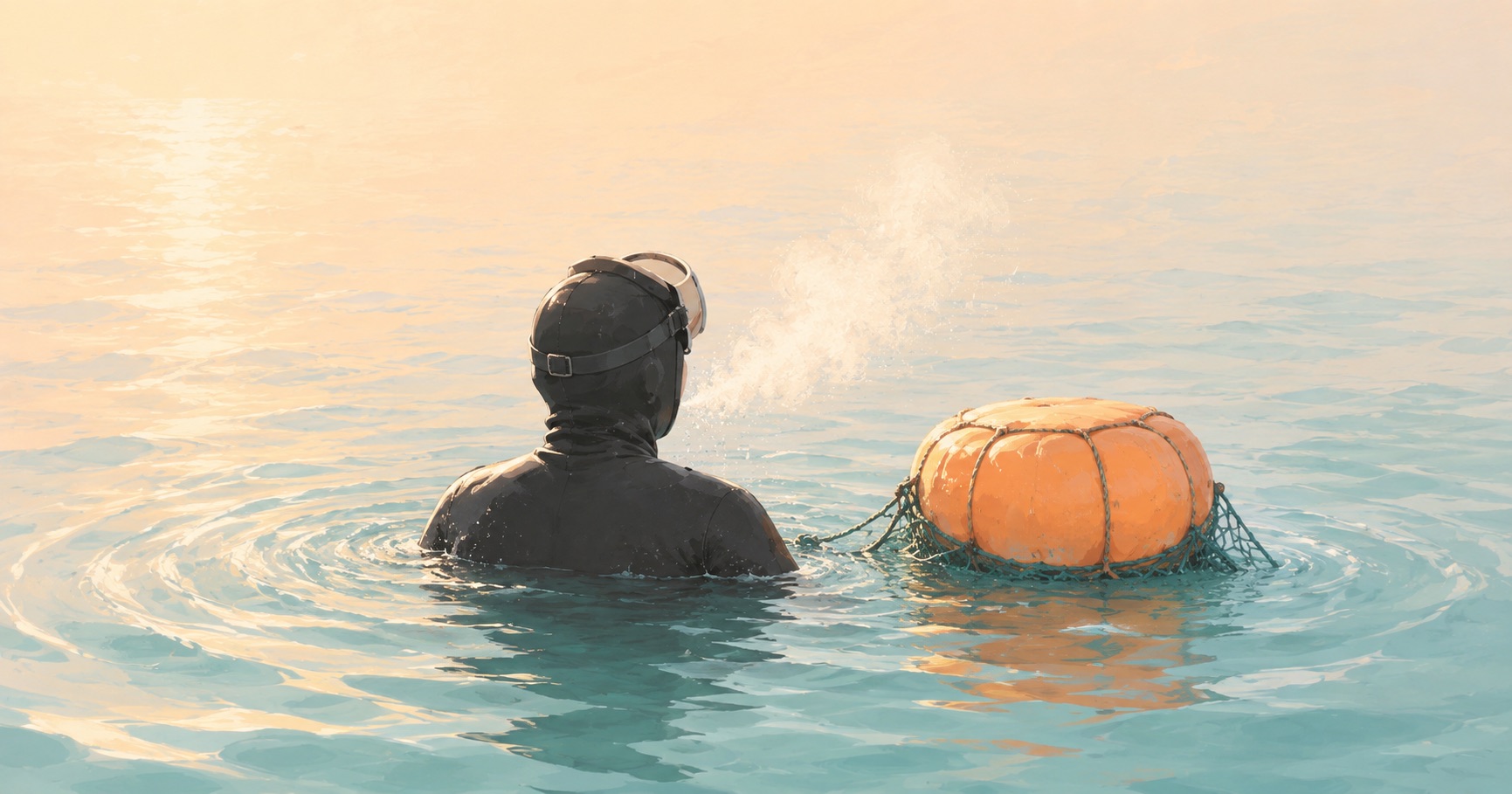 January 3, 2026
What Is Sumbisori? The Sound a Haenyeo Makes When She Surfaces
What the sound means, the breathing behind it, the word sumbi, and mulsum.
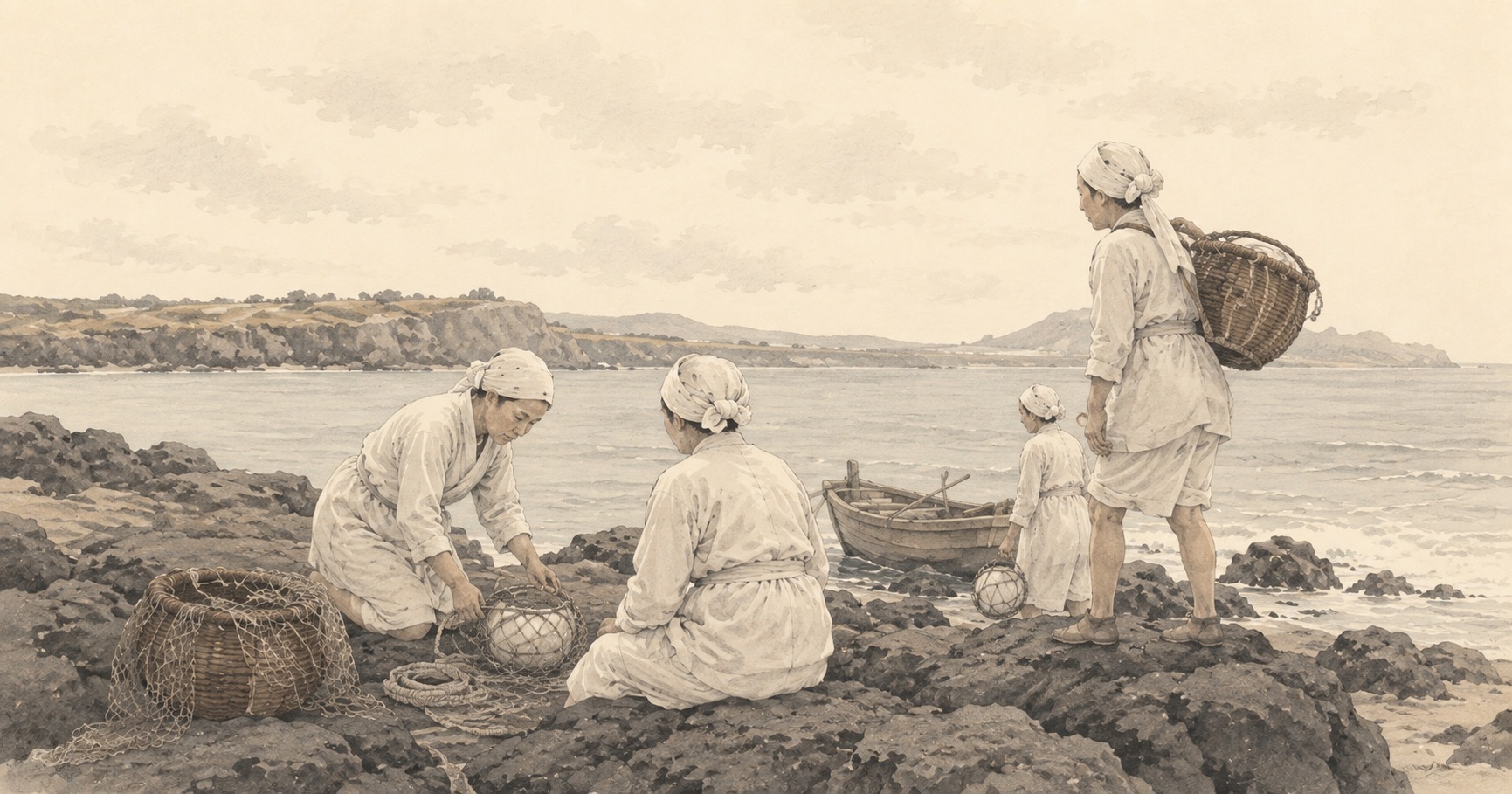 January 17, 2026
Who Are the Haenyeo, and What Is Muljil?
The legal definition, the words muljil and najam, and why only Korea and Japan.
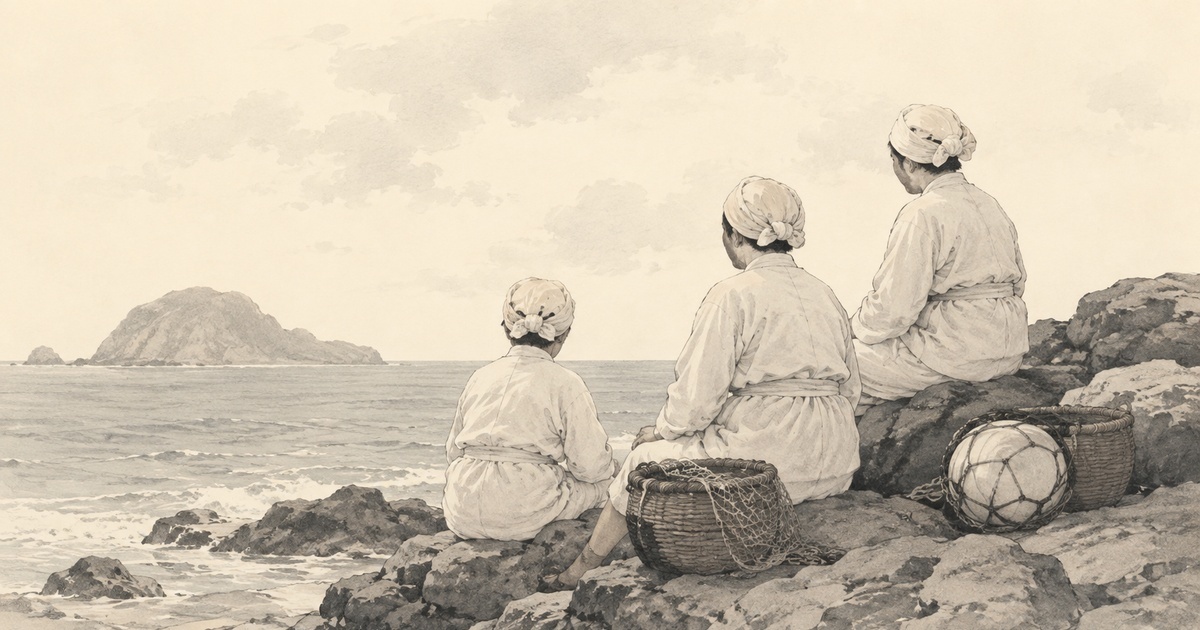 January 31, 2026
The History of Jeju Haenyeo: How Far Back Does It Go?
Jamnyeo in Joseon records, the tribute burden, migration diving, resistance, and the wetsuit era.
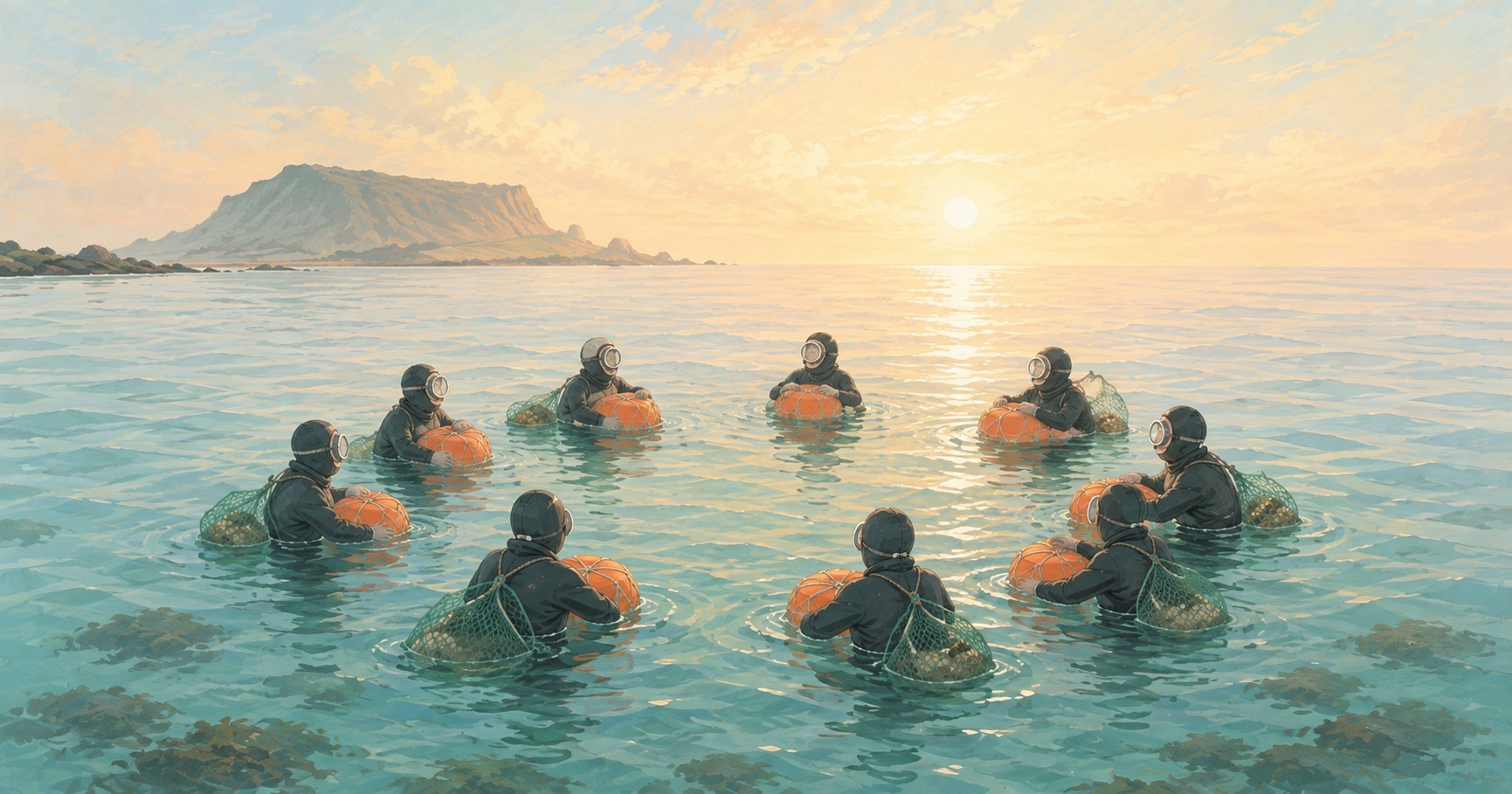 February 7, 2026
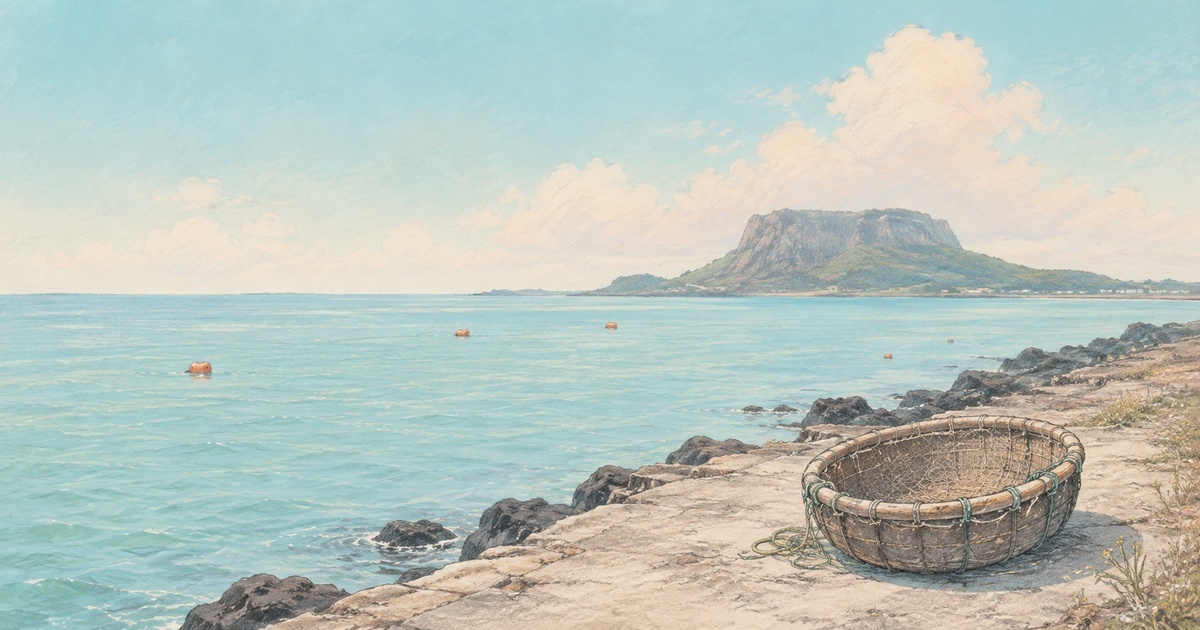
Why UNESCO Inscribed the Culture of Jeju Haenyeo
The three reasons for the UNESCO listing, and the two recognitions that followed.
 February 21, 2026
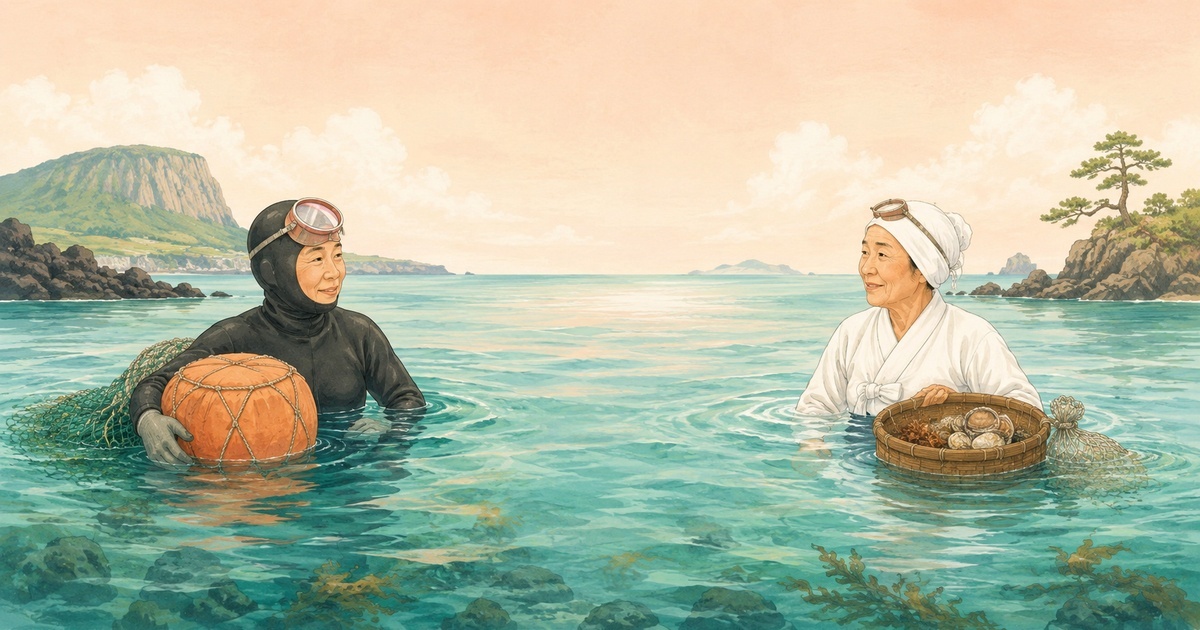
How Many Haenyeo Are Left, and Why Are Their Numbers Falling?
The peak and the present, the aging curve, why the numbers fall, and the narrow gate for newcomers.
 March 7, 2026
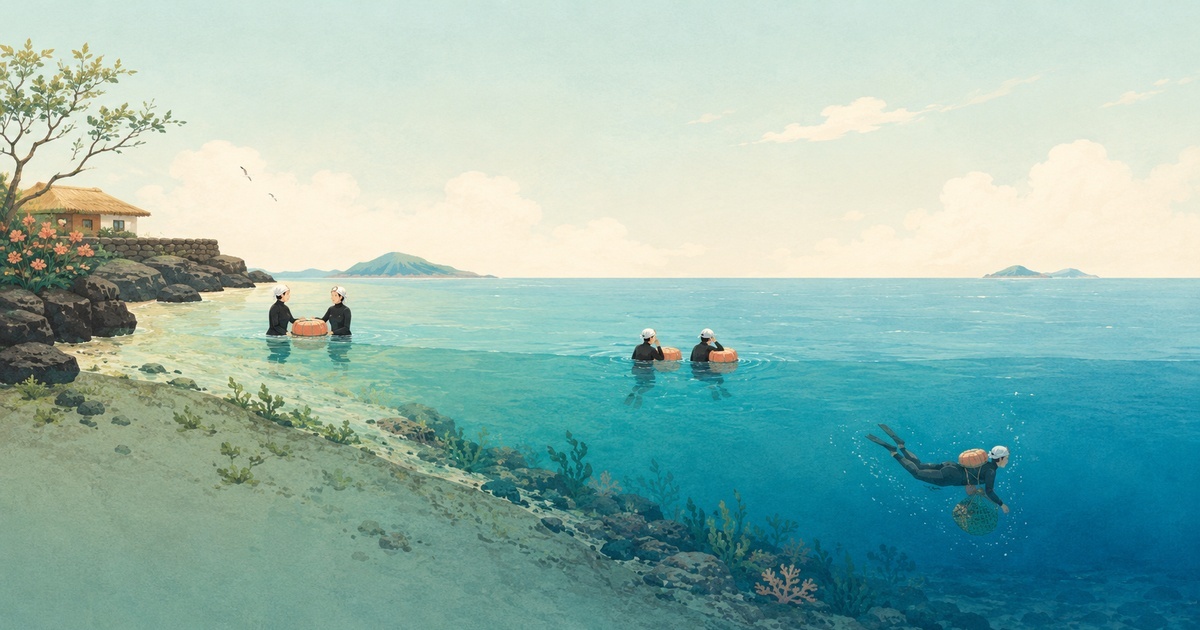
Jeju Haenyeo and Japan's Ama: What Is the Same, What Is Different?
Diving method, boats and ropes, clothing, community rules, men, and heritage status compared.
 March 21, 2026
Sanggun, Junggun, Hagun: How Haenyeo Ranks Work
What sets the ranks apart, the sanggun's duties, and how a hagun rises.
 April 4, 2026
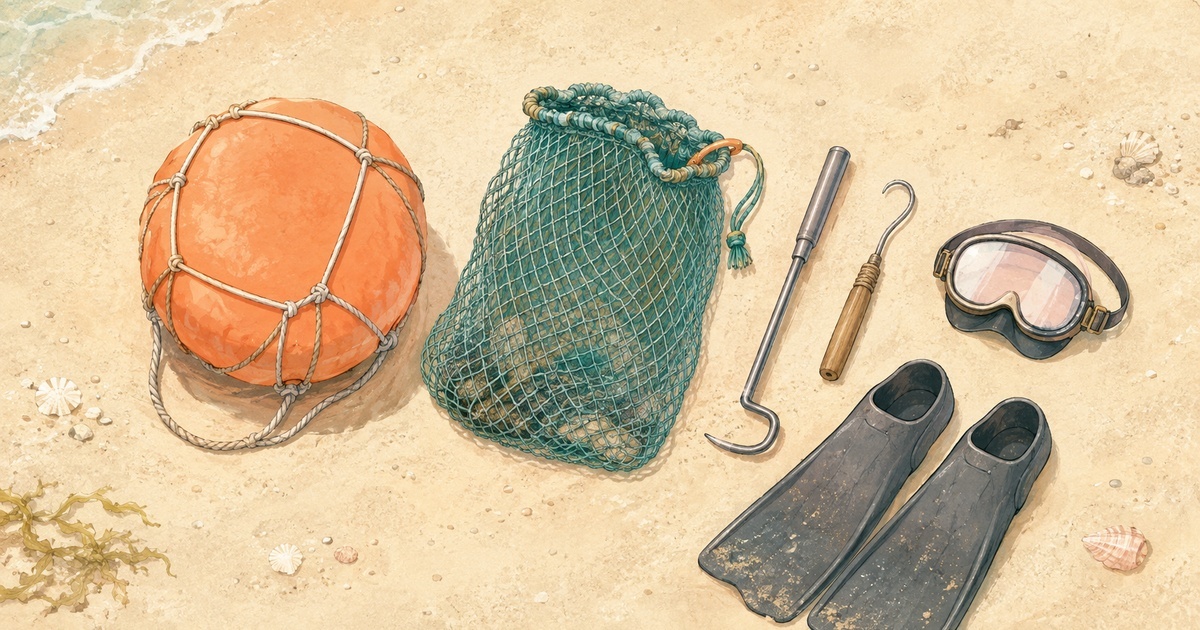
Tewak, Mangsari, Bitchang: A Guide to Haenyeo Tools
Tewak, mangsari, bitchang, kkakkuri, jeonggehomi, goggles, weights, and fins explained.
 April 11, 2026
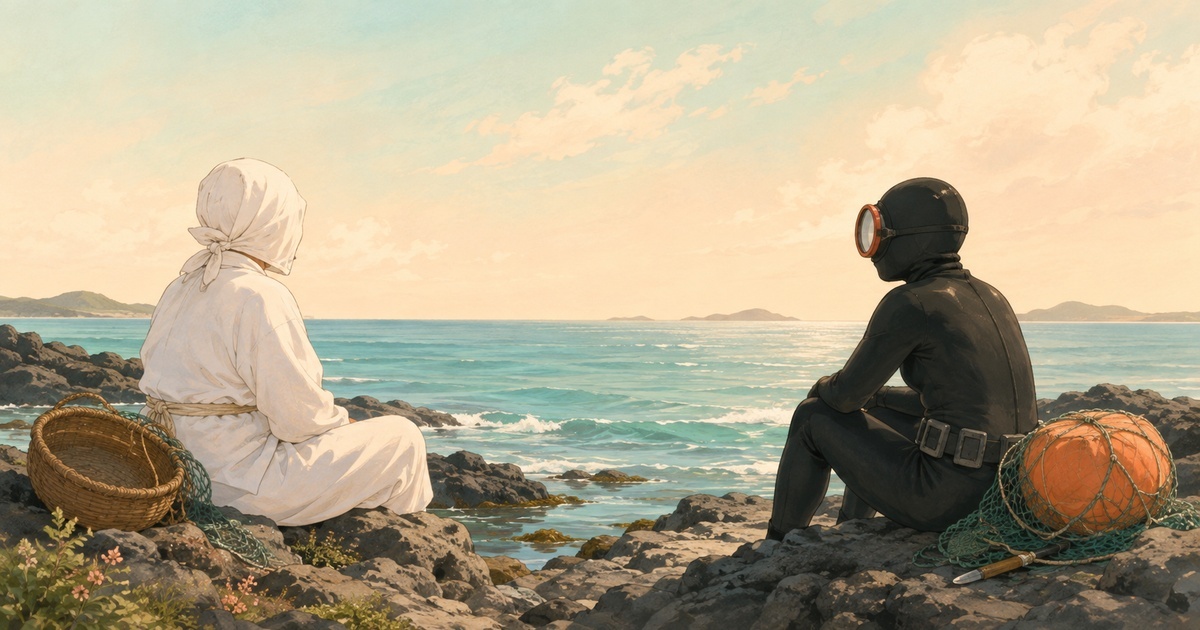
From Cotton Mulsojungi to Rubber Wetsuits: How the Haenyeo Suit Changed
The cotton mulsojungi, the kkaburi, and how the rubber suit changed time and the body.
 April 25, 2026
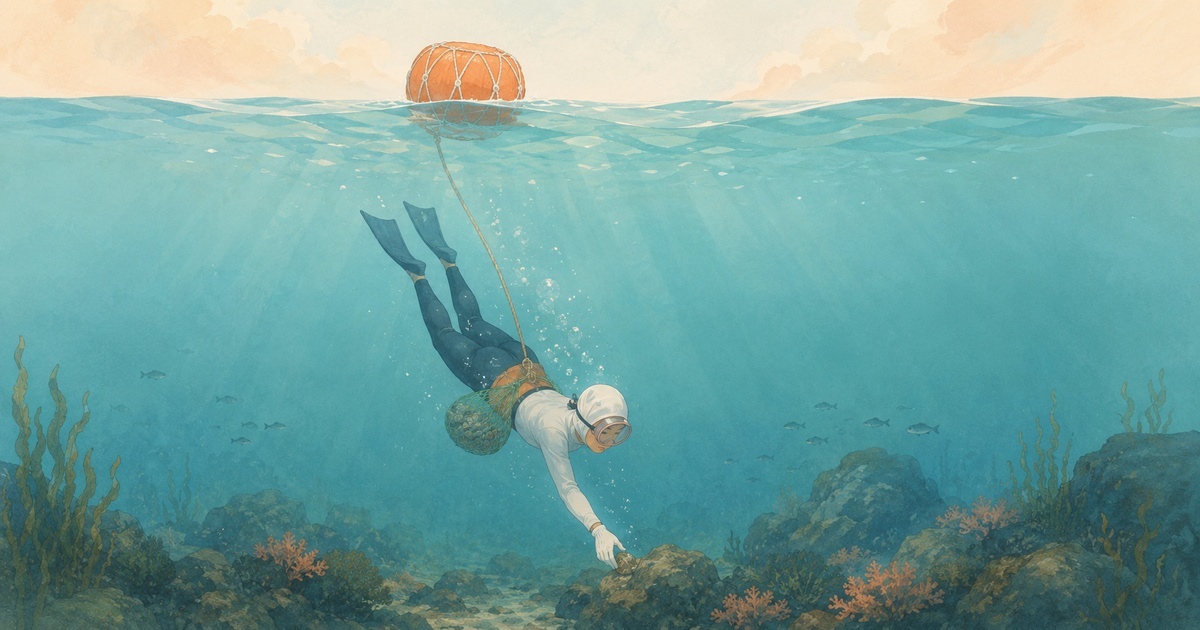
How Deep and How Long Do Haenyeo Dive? (And Why No Oxygen Tanks)
5 to 10 meters, about a minute at a time, dozens of times a day. And why no tanks.
 May 9, 2026
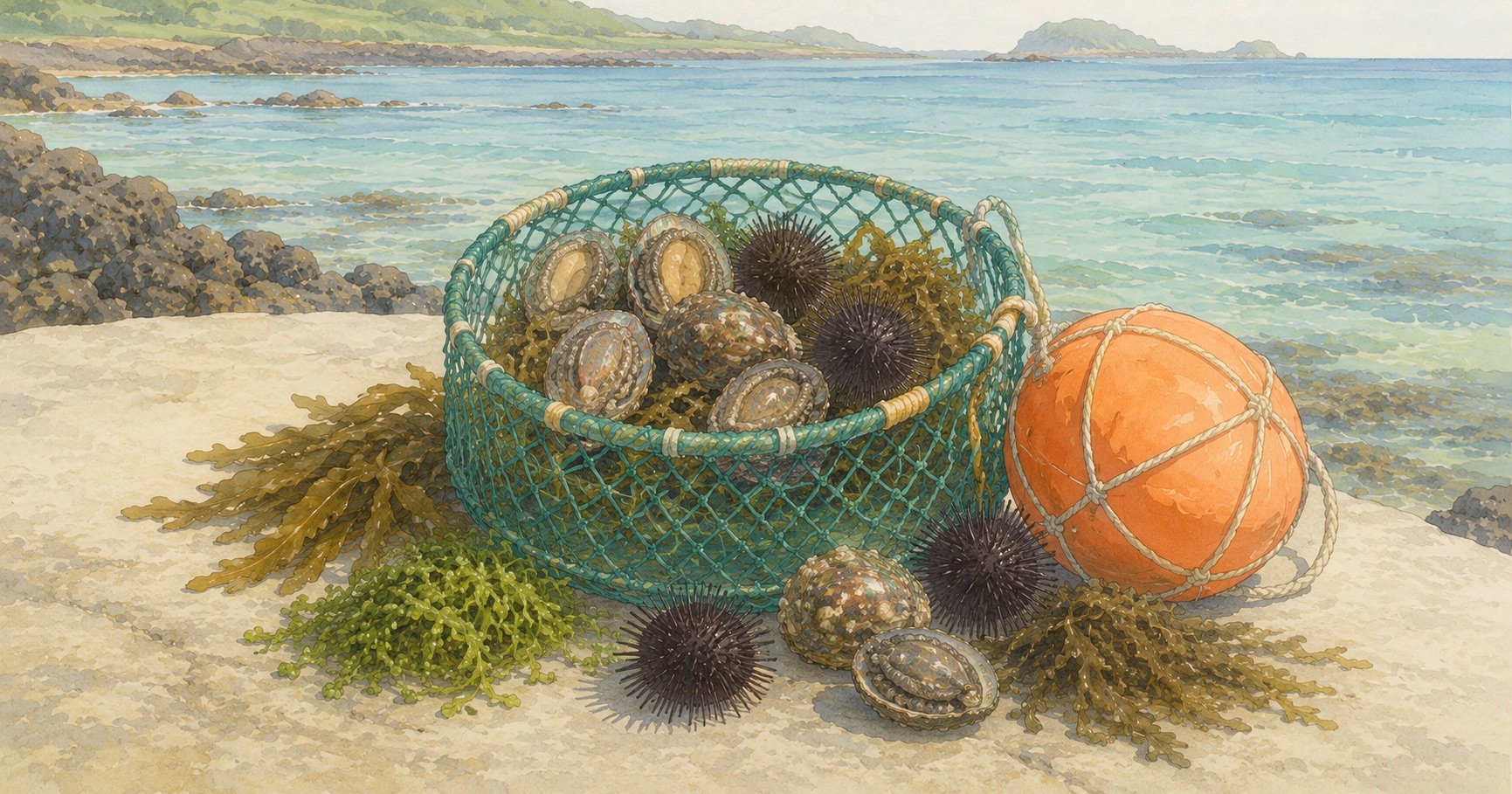
Conch, Abalone, Sea Urchin, Seaweed: What Haenyeo Harvest and When
A season-by-season table, closed seasons and size limits, and the village rules on top.
 May 23, 2026
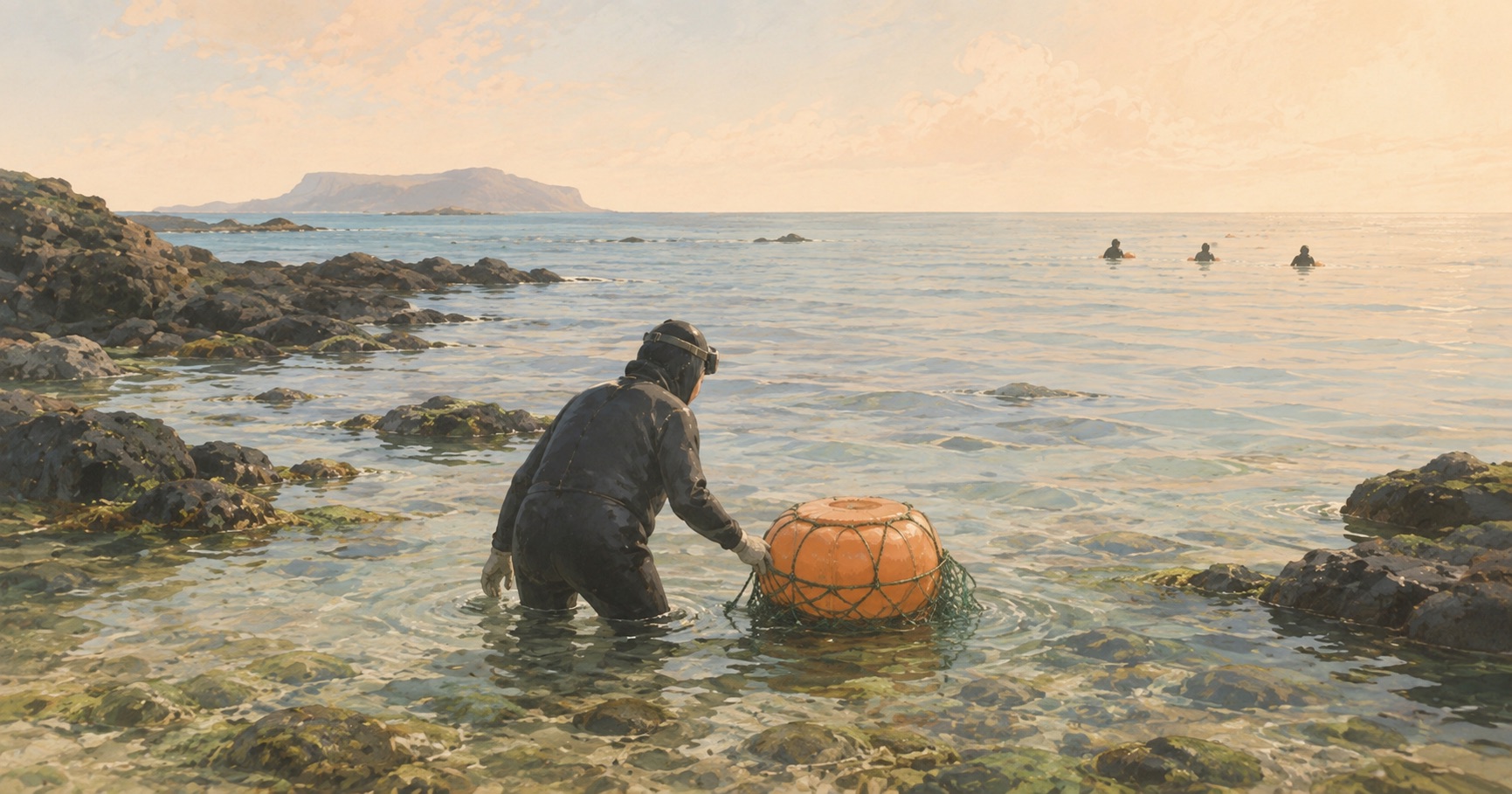
What Is Halmang-badang? Why Haenyeo Save the Shallow Waters for Their Elders
What the custom means, how it is set, why UNESCO noticed, and its shape today.
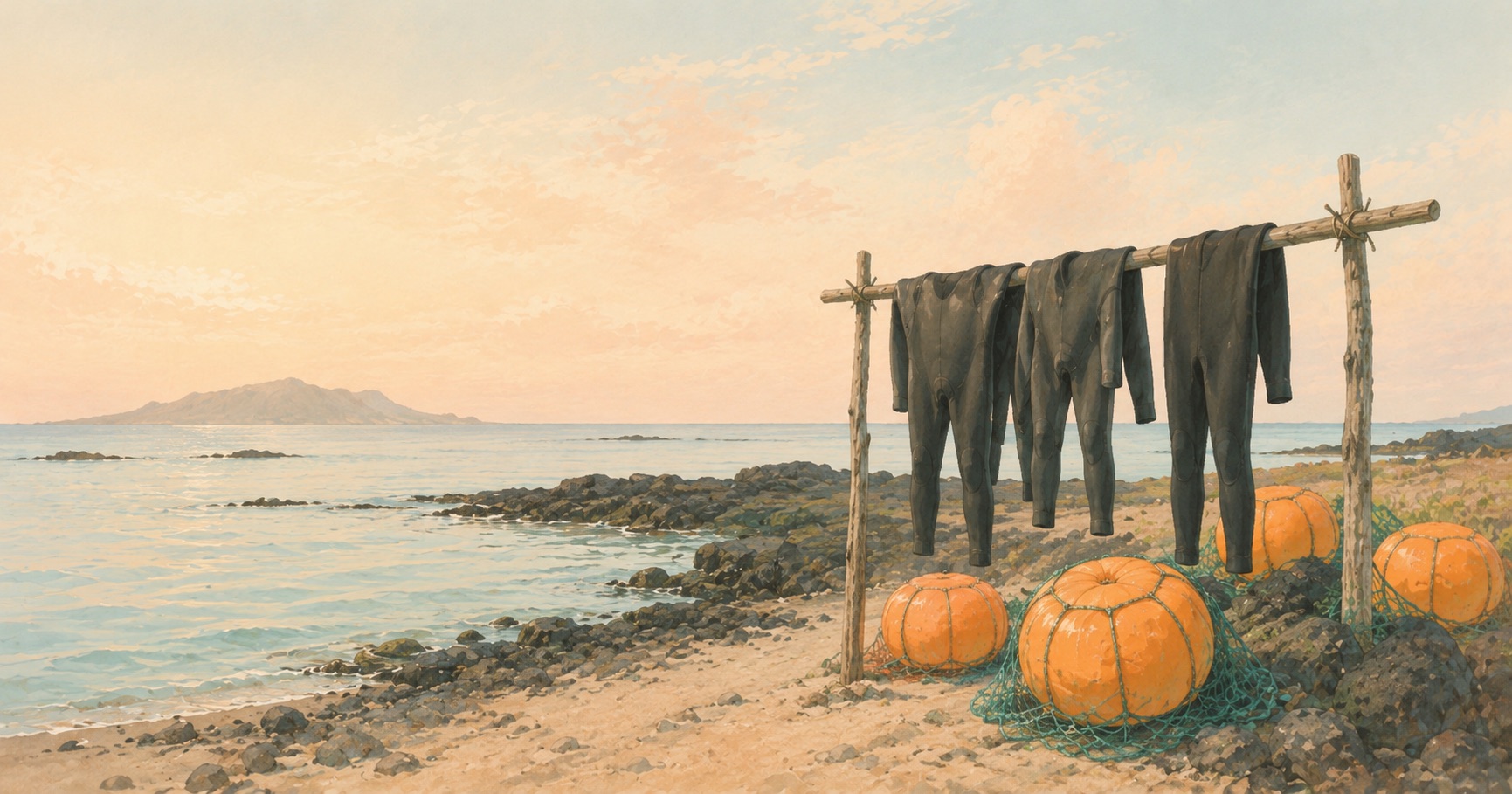 May 30, 2026
Geumchaegi: How Haenyeo Let the Sea Rest
Legal closed seasons, the villages' own bans, the haegyeong, and years of rest.
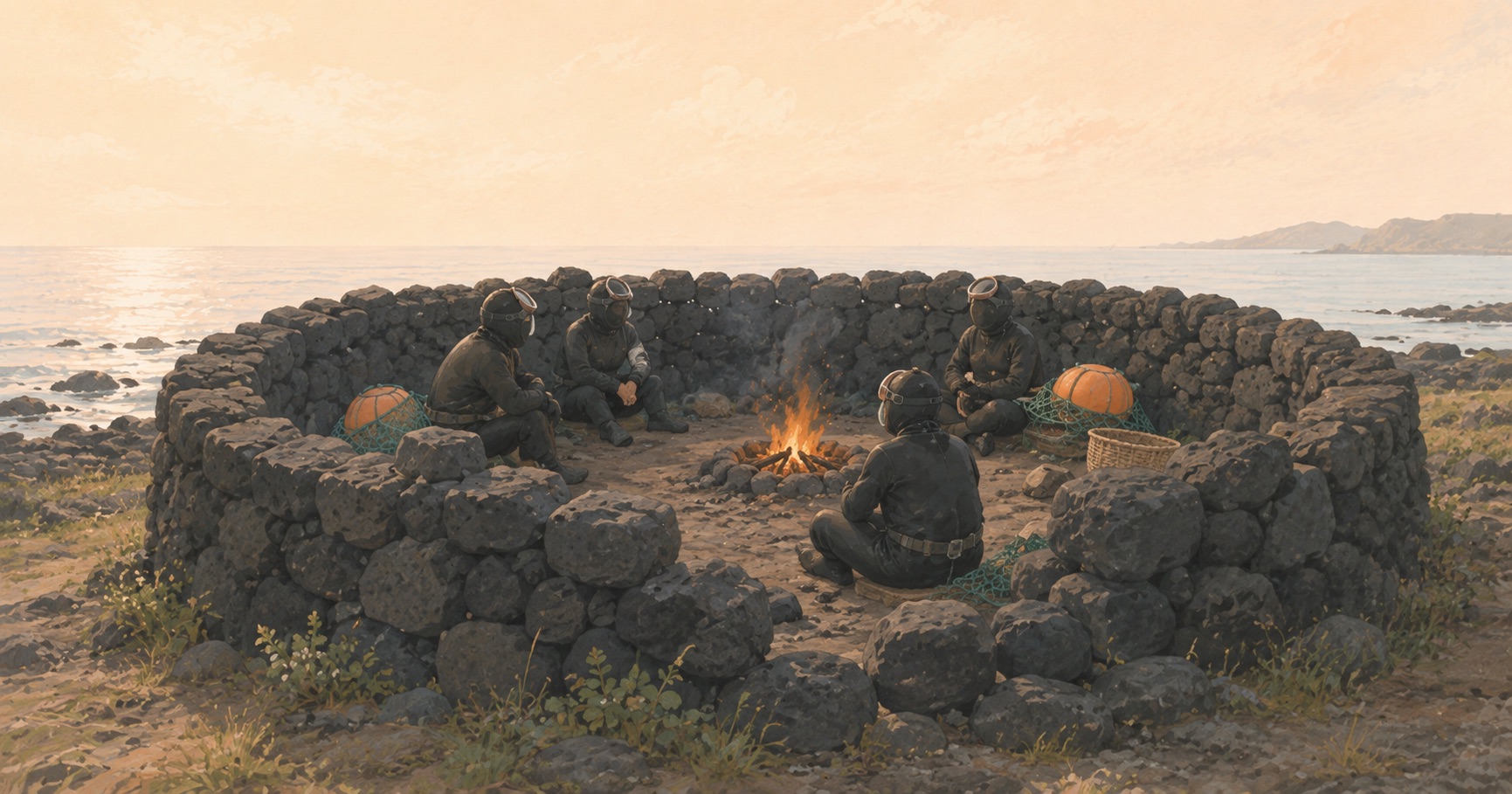 June 13, 2026
What Is a Bulteok? The Stone Hearth of the Haenyeo Community
The structure, the seating order, the learning that happened there, and what remains.
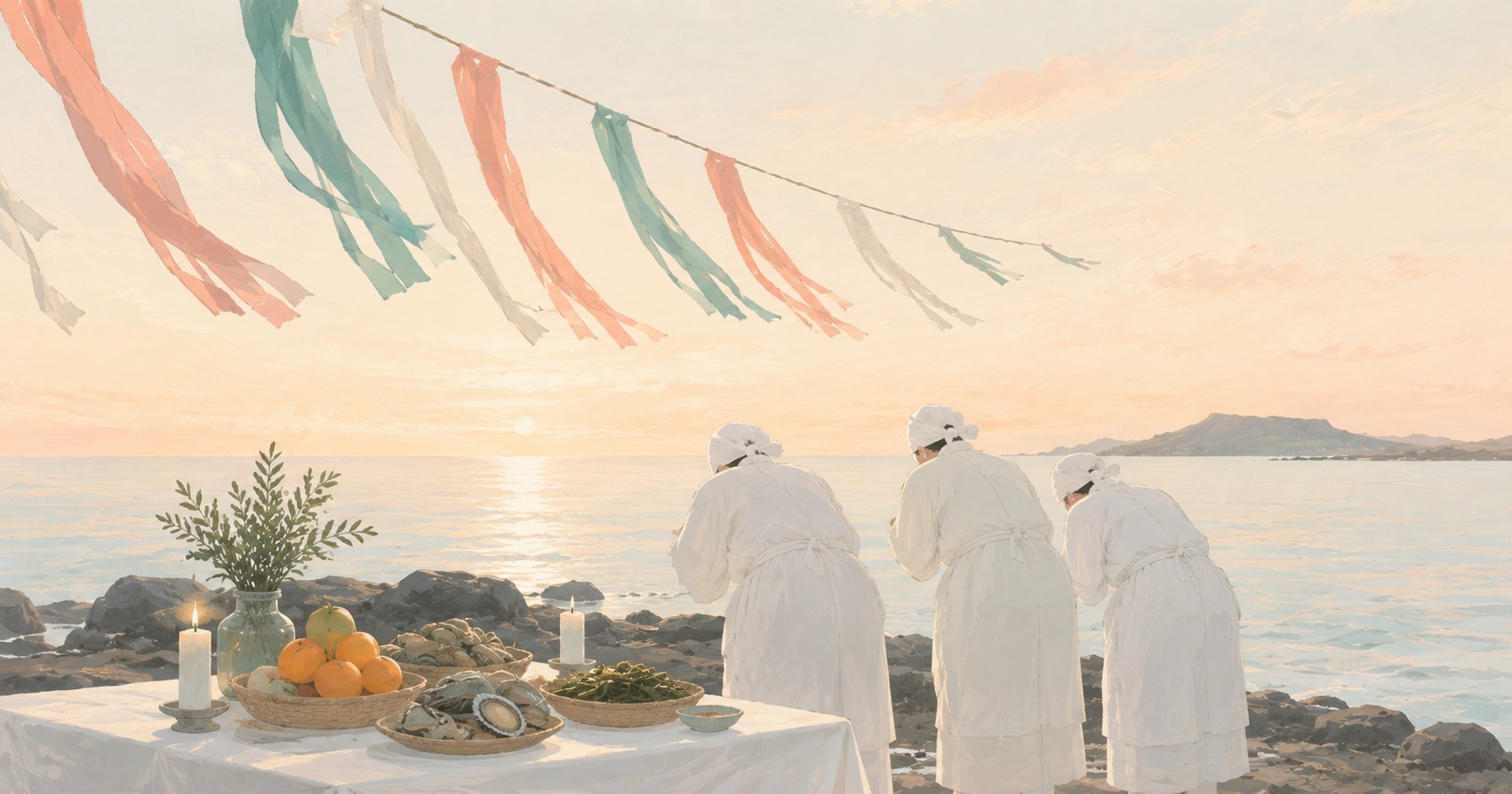 June 27, 2026
Jamsugut and Yeongdeunggut: The Rituals Haenyeo Offer to the Sea
The yeongdeunggut and jamsugut, the Chilmeoridang rite, and the shore shrines.
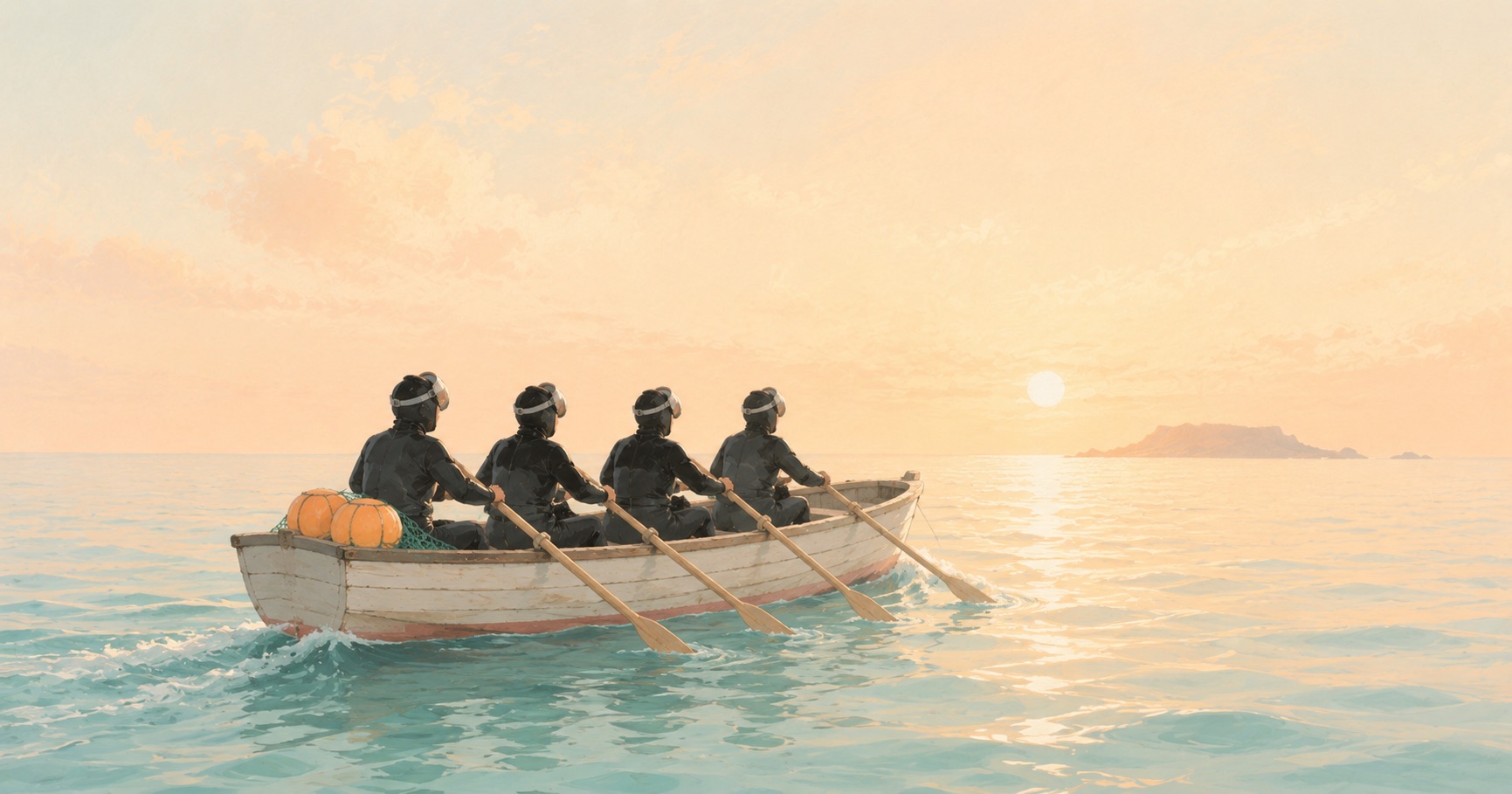 July 11, 2026
Ieodo Sana: What the Haenyeo's Rowing Song Really Means
A rowing work song, the call-and-response form, and the island called Ieodo.
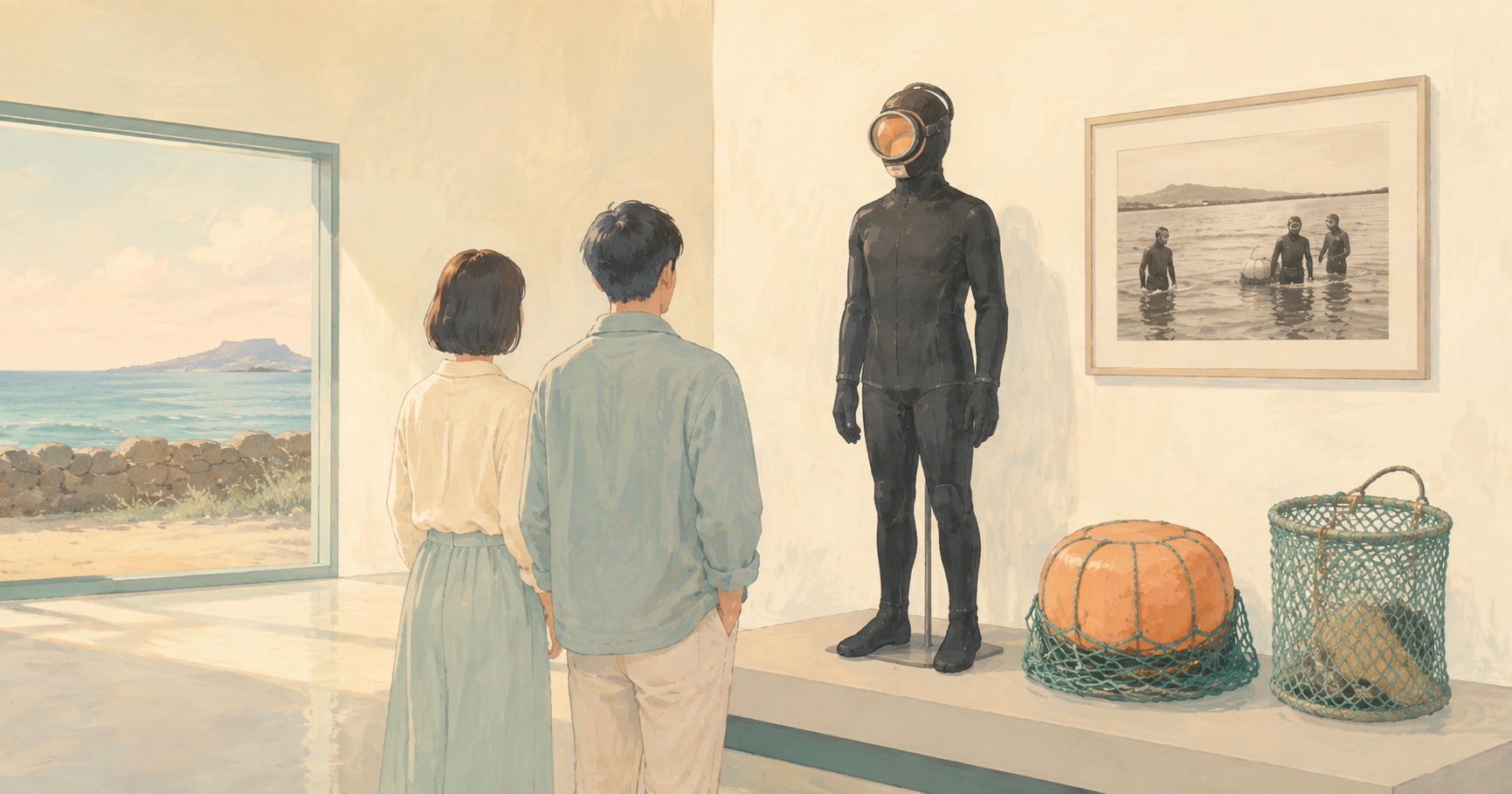 July 25, 2026
A Visitor's Guide to the Haenyeo Museum in Jeju
The three halls, how long to allow, getting there, and what to see nearby.
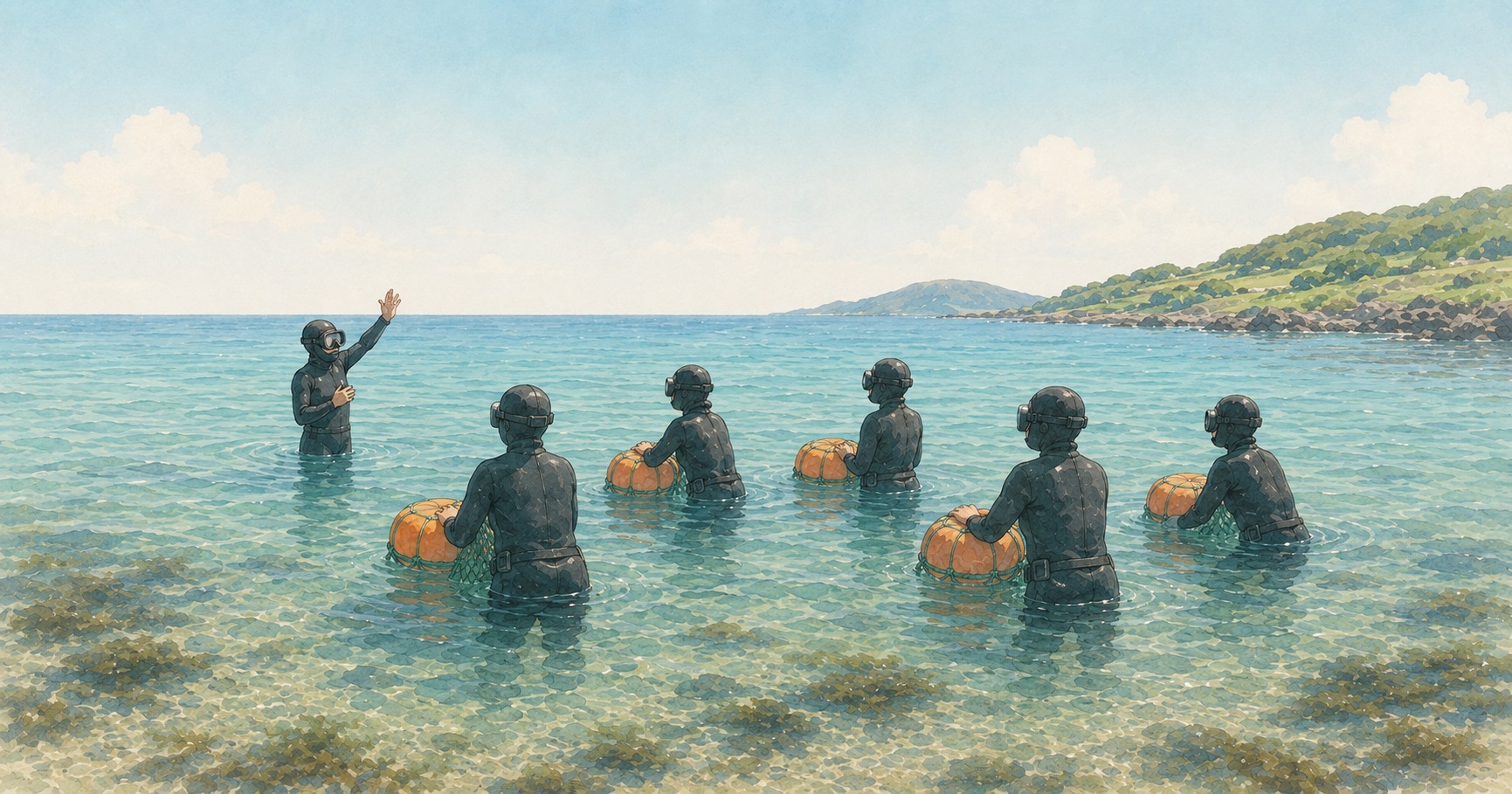 August 1, 2026
How to Enroll in a Haenyeo School: Hansupul and Beophwan
The two schools, their courses and terms, and the road from graduation to the cooperative.
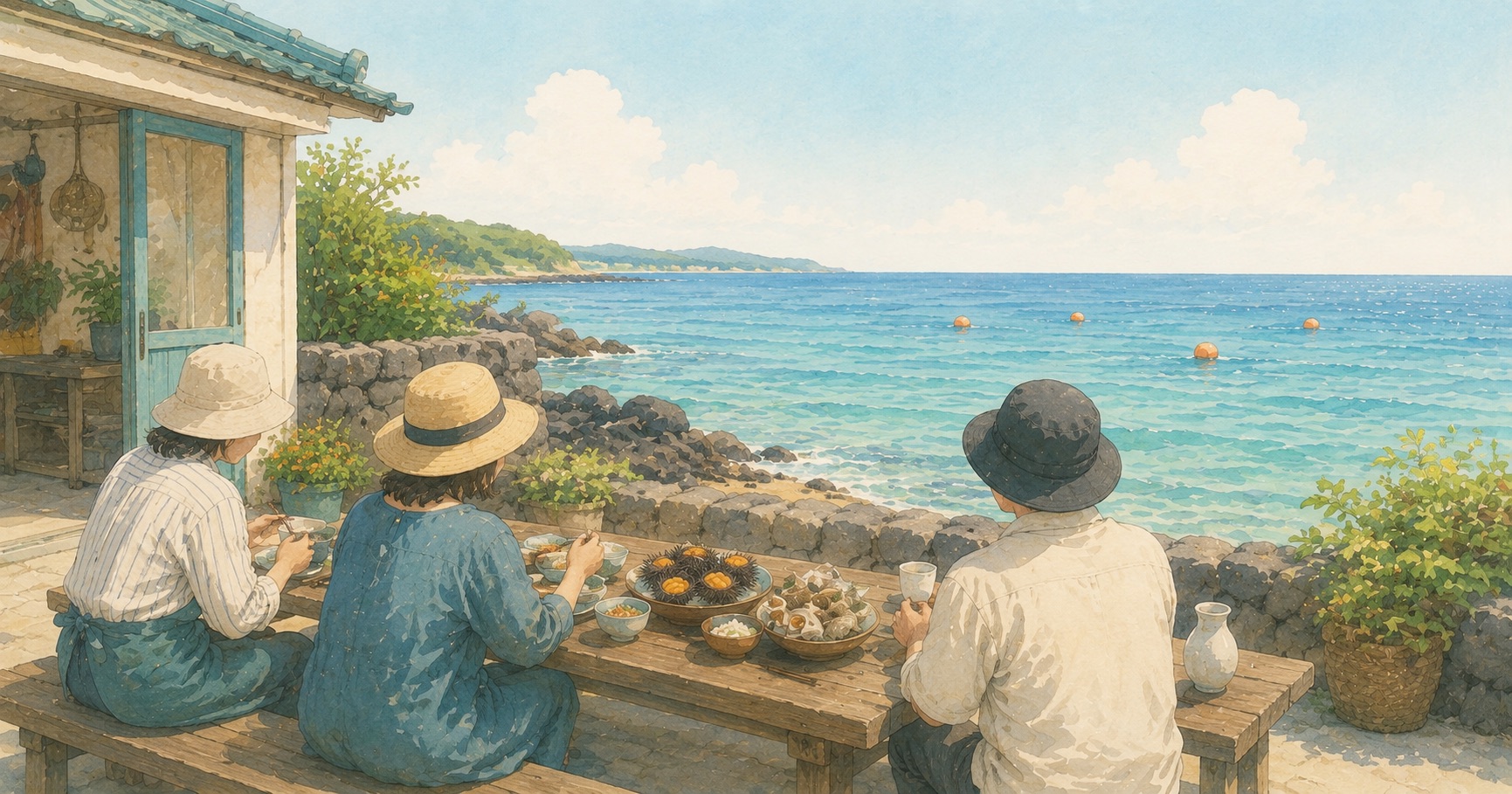 August 15, 2026
Haenyeo Experiences in Jeju: Where to Go and What to Expect
Cooperative experiences, the haenyeo-jip, Haenyeo's Kitchen, guided walks, and etiquette.
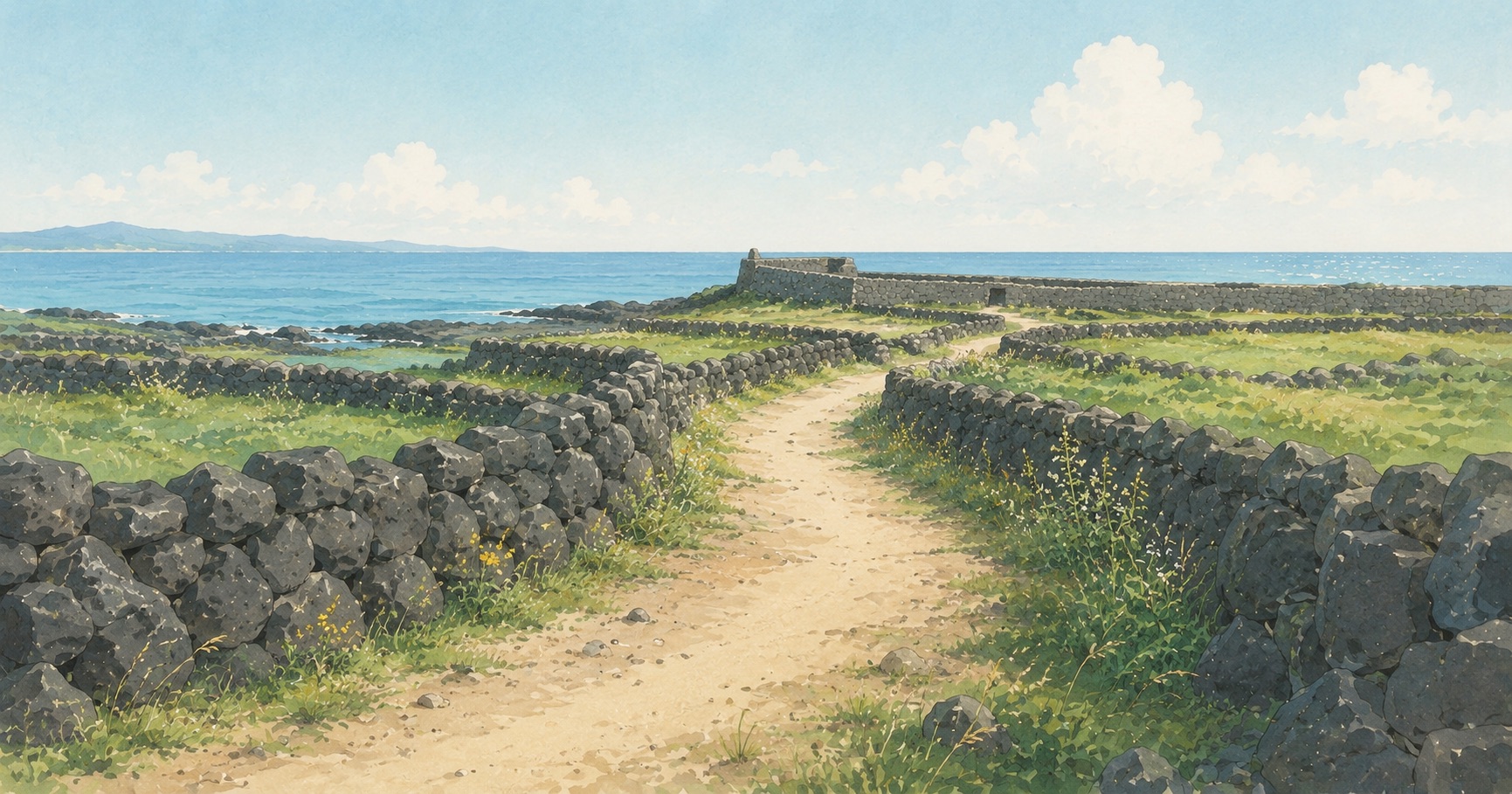 August 29, 2026
Walking the Sumbisori Trail: A Quiet Guide
A 4.4 km loop, 90 minutes to 3 hours, past field walls, a fortress, and the bulteok.
No articles in this group yet.